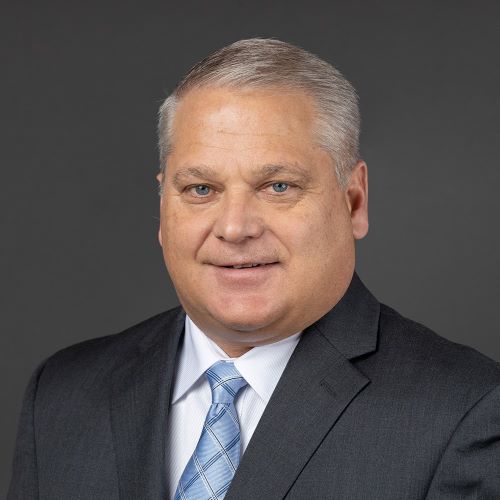
John Kasel
About John F. Kasel
John F. Kasel, age 60, is President, CEO, and a director of L.B. Foster (FSTR). He joined in 2003 and became CEO and director in 2021, after senior operating roles including SVP/COO and multiple segment P&Ls; he previously led operations at Mammoth (Nortek) from 2000–2003 . Under his tenure, the company emphasizes pay-for-performance with Adjusted EBITDA and Free Cash Flow as annual incentives, and multi‑year PSUs tied to Economic Profit Improvement and Adjusted EBITDA; 2024 saw CAP (compensation actually paid) to the CEO of $3.63M alongside net income of $42.8M and TSR value of $195.64 per initial $100 investment (vs $70.40 in 2022), indicating improved earnings and share performance through 2024 . Board leadership is separated (independent Chair), and Kasel is not independent by virtue of being CEO .
Past Roles
| Organization | Role | Years | Strategic Impact |
|---|---|---|---|
| L.B. Foster | President & CEO; Director | 2021–present | Leads portfolio transformation and operating improvement; detailed knowledge of operations, strategy, M&A . |
| L.B. Foster | SVP & COO | 2019–2021 | Enterprise operations oversight . |
| L.B. Foster | SVP – Rail & Construction | 2017–2019 | Segment leadership (Rail & Construction) . |
| L.B. Foster | SVP – Rail Products & Services | 2012–2017 | Segment leadership (Rail Products & Services) . |
| L.B. Foster | SVP – Operations & Manufacturing | 2005–2012 | Drove LEAN, efficiency, and reliability improvements . |
| L.B. Foster | VP – Operations & Manufacturing | 2003–2005 | Introduced LEAN manufacturing . |
| Mammoth, Inc. (Nortek) | VP of Operations | 2000–2003 | Led HVAC operations . |
External Roles
| Organization | Role | Years | Notes |
|---|---|---|---|
| The Allegheny Conference on Community Development | Director | Mar 2023–present | Regional economic development non‑profit . |
Fixed Compensation
| Metric | 2022 | 2023 | 2024 |
|---|---|---|---|
| Base Salary (paid) | $572,917 | $658,750 | $731,250 |
| Annual Salary Rate (March 1 effective) | — | — | Increased from $675,000 to $742,500 on Mar 1, 2024 |
| Target Bonus (% of salary) | — | — | 100% of base salary |
Perquisites and retirement benefits (2024): 401(k) match $20,700; SERP contribution $82,406; auto allowance $15,000; company‑paid life and LTD premiums; club membership $21,970; financial planning $16,395 .
Performance Compensation
2024 Annual Incentive Plan (CEO)
| Metric | Weighting | Target | Actual | Payout as % of Target |
|---|---|---|---|---|
| Corporate Adjusted EBITDA | 75% | $36,218k | $34,478k | 88.0% |
| Corporate Adjusted Free Cash Flow | 25% | $19,356k | $21,078k | 144.5% |
| Weighted Result | — | — | — | 102.1% |
| Discretionary Safety Modifier | — | — | — | +5% (final 107.2%) |
- Cash paid: $758,093 as plan payout plus $38,101 separate line for 5% safety modifier; combined $796,193 disclosed in CD&A narrative (fn 1) .
Long-Term Incentive Program (2024 grants)
- Mix: 60% PSUs, 40% time‑vested restricted stock (3‑year graded, 33 1/3% annually) .
- CEO 2024 target LTI value: $1,200,000; granted 19,721 restricted shares and 29,581 target PSUs .
PSU performance design and 2024 results:
| Plan | Metric | Weight | 2024 Target | 2024 Actual | Payout vs Target | Tranche Earned |
|---|---|---|---|---|---|---|
| 2024–2026 PSUs | Economic Profit Improvement | 50% | $4,200k (100%); $5,500k (200%); $2,100k (50%) | $3,425k | 81.5% | 30% tranche × 81.5% × 50% contributes to 25.8% total earn |
| 2024–2026 PSUs | Adjusted EBITDA | 50% | $36,200k (100%); $47,100k (200%); $25,300k (50%) | $34,153k | 90.6% | 30% tranche × 90.6% × 50% contributes to 25.8% total earn |
| 2023–2025 PSUs | Economic Profit Improvement | 50% | $9,734k (100%); $12,655k (200%); $4,867k (50%) | $14,086k | 200.0% | Year 2 tranche earn = 48.4% of award (combined) |
| 2023–2025 PSUs | Adjusted EBITDA | 50% | $32,000k (100%); $41,600k (200%); $22,400k (50%) | $34,153k | 122.4% | Year 2 tranche earn = 48.4% of award (combined) |
| 2022–2024 PSUs | ROIC | 50% | 12.5% (100%); 16.2% (200%); 8.7% (25%) | 10.1% | 52.6% | Year 3 tranche earn = 35.7% combined (with EBITDA) |
| 2022–2024 PSUs | Adjusted EBITDA | 50% | $35,797k (100%); $46,536k (200%); $25,058k (35%) | $34,153k | 90.1% | Year 3 tranche earn = 35.7% combined (with ROIC) |
- CEO PSUs earned/banked: 7,632 (2024–2026 Y1), 26,957 (2023–2025 Y2), 9,572 (2022–2024 Y3) .
Equity Ownership & Alignment
| Item | Detail |
|---|---|
| Beneficial ownership | 124,968 shares (1.2% of outstanding); includes 13,908 shares in 401(k) |
| Additional earned PSUs (not yet settled) | 88,190 shares (earned but unissued until performance period end) |
| Unvested restricted stock (12/31/2024) | 137,269 shares; 3‑year graded vesting for 2022/2023/2024 awards |
| Unearned/unvested PSUs (12/31/2024) | 134,635 shares; see tranche and settlement schedules below |
| Stock options | None outstanding |
| Ownership guidelines | CEO must hold stock valued at least 5× salary; must retain 100% of net shares until compliant |
| Hedging/pledging | Prohibited for directors/officers; no pledging allowed |
Vesting/settlement timeline (select):
- 2022–2024 PSUs: performance certified; shares distributed 2/20/2025 (overall 83.3% 3‑year payout) .
- 2023–2025 PSUs: 2023 and 2024 tranches earned; vest/settle in Q1 2026 after full 3‑year period .
- 2024–2026 PSUs: 2024 tranche earned; vest/settle in Q1 2027 after full 3‑year period .
- Restricted stock awards (2022/2023/2024): 3‑year graded vesting, 33 1/3% annually from grant .
Insider selling pressure implications:
- PSU settlements in Q1 2026 (2023–2025) and Q1 2027 (2024–2026) can create concentrated liquidity windows; policy prohibits hedging/pledging, and executive ownership guidelines require retention while under target, mitigating forced selling .
Employment Terms
| Term | Key Points |
|---|---|
| Employment agreement | No individual CEO employment agreement (company does not generally provide employment agreements) |
| Change‑in‑control (CIC) severance | Double‑trigger; CEO benefit factor 2.5× (salary + target bonus), EVPs/SVPs 2.0×; includes $15,000 outplacement; COBRA medical/dental/vision up to 18 months; 280G cut‑back (no gross‑ups) |
| Equity on CIC | If assumed, completed tranches at actual; remaining at target and convert to time‑based; accelerate on qualifying termination; if not assumed, single‑trigger deemed earned at target; restricted stock vests per double trigger |
| Non‑compete / non‑solicit | Receipt of CIC severance requires release and compliance with confidentiality, 1‑year non‑compete and customer/employee non‑solicit |
| Clawback | Dodd‑Frank/Nasdaq‑compliant clawback adopted 2023; 2024 interim restatements did not trigger recovery |
Board Governance (Director Service)
- Board service: Director since 2021 (appointed with CEO role) . Not independent (management director). Independent Chair (Raymond Betler) and separation of Chair/CEO mitigate dual‑role concerns; no lead independent director deemed necessary given split roles .
- Board size and independence: 8 directors; 7 independent; all directors attended 100% of 2024 Board and committee meetings .
- Committees: Audit, Compensation, Nomination & Governance, and a select ad hoc Corporate Responsibility Committee (independent members); committee chairs are independent .
- Director compensation: Employee directors receive no director fees/equity; only non‑employee directors are compensated .
Compensation Structure Analysis
| Indicator | Observation |
|---|---|
| Cash vs equity mix | CEO 2024 target LTI $1.2M (60% PSUs, 40% RS), on top of salary/annual cash incentive—emphasizes at‑risk equity . |
| Performance metrics | Annual: Adjusted EBITDA (75%), Adjusted FCF (25%); LTIP PSUs: Economic Profit Improvement and Adjusted EBITDA (equal weight); targets escalate over time . |
| Discretionary adjustments | +5% safety modifier applied to 2024 annual plan payouts reflecting record safety performance; within plan limits . |
| Repricing/modification | No option/SAR repricing without shareholder approval; no discounted grants . |
| Tax gross‑ups | None on perquisites or severance; CIC uses 280G cut‑back . |
| Risk controls | Caps on payouts; anti‑hedging/pledging; ownership guidelines; clawback; varied metrics; independent consultant . |
| Say‑on‑pay | >99% approval in 2024 for prior year NEO pay; no significant program changes . |
| Comparator group | 16 similarly sized industrial/materials comps used for benchmarking; Pay Governance LLC engaged, no conflicts . |
Multi‑Year CEO Pay and Company Performance
| Metric | 2022 | 2023 | 2024 |
|---|---|---|---|
| CEO Total Comp (SCT) | $2,735,021 | $2,857,653 | $3,075,320 |
| CEO Compensation Actually Paid (CAP) | $1,761,087 | $5,154,361 | $3,628,621 |
| Company TSR ($100 base) | $70.40 | $159.93 | $195.64 |
| Net Income (Loss) ($000s) | ($45,677) | $1,299 | $42,843 |
Director & Executive Ownership/Policies
- Anti‑hedging/pledging policy prohibits hedging and pledging, and holding in margin accounts .
- Executive stock ownership policy: CEO 5× salary, retention of net shares while under guideline .
- Related party transactions: None identified in 2024 .
- Insider trading and Section 16 compliance: All required filings timely per company review .
Performance & Track Record
- Strategic actions referenced in risk/forward‑looking disclosure include business portfolio changes (recent divestitures of Chemtec and Ties; acquisitions of VanHooseCo Precast and Cougar Mountain Precast) aligning the portfolio and integration focus .
- 2024 execution against internal goals yielded 107.2% annual incentive payout for Corporate plan (88% EBITDA, 144.5% FCF with +5% safety modifier), signaling mixed profit vs strong cash performance .
Say‑on‑Pay & Shareholder Feedback
- 2024 say‑on‑pay (for 2023 compensation) received over 99% support; board maintained program structure .
Compensation Committee Analysis
- Committee members: independent; current chair John E. Kunz; uses Pay Governance LLC; committee meets in executive sessions without management and reviews tally sheets and risk .
- Benchmarking to a defined comparator group (16 companies) and broader market surveys to target median compensation .
Investment Implications
- Alignment: High at‑risk mix (PSUs/RS) and rigorous multi‑metric design (EBITDA, FCF, Economic Profit) align incentives with profitable growth and capital efficiency; clawback, ownership, and anti‑pledging policies reduce agency risk .
- Retention and overhang: Meaningful unvested equity (restricted stock and banked PSUs) plus strict ownership guidelines support retention; potential selling windows around PSU settlements in Q1 2026 and Q1 2027 could affect near‑term float/liquidity but are partially mitigated by retention/ownership policies .
- Change‑in‑control economics: CEO’s 2.5× CIC severance (salary+target bonus) with double‑trigger equity and 280G cut‑back is shareholder‑friendly relative to small‑cap norms, balancing retention with cost discipline .
- Governance: Separation of Chair/CEO and 7/8 independent directors with full attendance enhances oversight over a non‑independent CEO/director; no employment agreement preserves flexibility .
- Pay vs performance: 2024 improvement in net income and TSR alongside CAP suggests increasing pay tracking with performance outcomes, though 2023 CAP was elevated on share performance—monitor sustainability of EBITDA/FCF targets and Economic Profit Improvement trajectory .