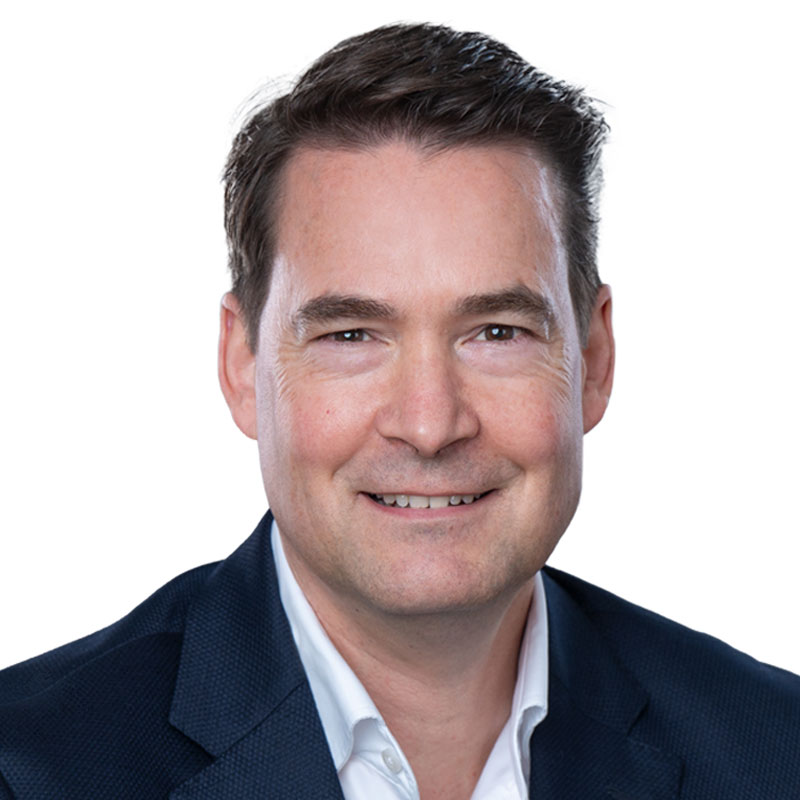
Stephan von Schuckmann
 Sensata Technologies Holding
About Stephan von Schuckmann
Sensata Technologies’ CEO since January 1, 2025 and a non‑independent director on the Board, Stephan von Schuckmann (age 50) brings >20 years of automotive and industrial leadership, including running ZF Group’s $12B+ e‑mobility division and overseeing procurement and the Asia Pacific region; he holds a Master of Commerce in Accounting & Finance (Macquarie University) and completed undergraduate studies in engineering and economics in Germany . Sensata entered 2025 with 2024 results of $3.9B revenue, $3.44 adjusted EPS, 10.2% ROIC, $393M free cash flow (76% conversion), and net leverage reduced to ~3.0x alongside $68.9M buybacks and $72.2M dividends—context for the performance baseline he inherits . Governance risk from dual roles is mitigated by an independent chairman structure and fully independent key board committees; von Schuckmann is classified as not independent due to his CEO role .
Past Roles
| Organization | Role | Years | Strategic impact |
|---|---|---|---|
| Sensata Technologies | Chief Executive Officer | 2025–present | Hired to accelerate value creation across core sensing and electrification; joins Board as non‑independent director . |
| ZF Friedrichshafen AG | Member, Management Board; global lead for Electric Mobility; oversight of Procurement and APAC | 2021–Jul 2024 | Ran ZF’s largest division (> $12B revenue), led e‑mobility scale-up; global transformation leadership . |
| ZF Friedrichshafen AG | EVP & CEO, Powertrain Technology & Electric Mobility | Oct 2018–Jan 2021 | Drove transition from conventional to electric powertrains . |
| ZF Friedrichshafen AG | SVP & CFO, Powertrain Technology | Oct 2015–Sep 2018 | Financial leadership during portfolio transition . |
| ZF Friedrichshafen AG | VP, Restructuring & Performance Improvement, Powertrain Technology | Mar 2015–Sep 2015 | Led restructuring/performance initiatives . |
| Robert Bosch Automotive Steering | VP, Business Unit Aftermarket, Small Series & Military | Jan 2012–Feb 2015 | P&L leadership in aftermarket/specialty segments . |
| Robert Bosch Automotive Steering | Managing Director & Plant Manager | Jan 2005–Dec 2011 | Operations leadership, manufacturing execution . |
External Roles
| Organization | Role | Years | Notes |
|---|---|---|---|
| Public company boards | Director | — | None listed in Sensata’s 2025 proxy (Other Boards = 0) . |
Fixed Compensation
| Component | 2025 Terms | Details |
|---|---|---|
| Base salary | $1,117,000 | Initial annual base salary under employment agreements . |
| Target annual bonus | 125% of base salary | Maximum 200% of base salary; paid under executive annual incentive plan . |
| Signing cash bonus | $150,000 | One‑time, payable within 45 days after start date . |
| “Make‑whole” cash | €1,267,000 | One‑time lump sum for forfeited ZF cash incentives . |
Performance Compensation
| Incentive | Grant value/mix | Performance metrics | Vesting / payout mechanics |
|---|---|---|---|
| Signing equity (in lieu of FY25 annual) | $6,500,000; 45% RSUs / 55% PRSUs | Company PRSUs are tied to Relative TSR vs defined peer set and ROIC, per LTI design . | RSUs typically vest ratably over 3 years; PRSUs cliff‑vest at 3 years with annual “banking” by metric; realized value depends on performance and share price . |
| “Make‑whole” equity | $1,000,000; 45% RSUs / 55% PRSUs | Same structure as Company equity plan; provided to replace forfeited ZF awards . | |
| Annual bonus program (plan design) | Company plan component | Adjusted Operating Income Margin and Adjusted Free Cash Flow (50%/50% weighting in 2024 program) . | Payout based on performance vs goals; example 2024 plan paid 50% of target for eligible NEOs due to 0% on AOI margin and 100% on FCF . |
Equity Ownership & Alignment
| Item | Status / Requirement |
|---|---|
| Beneficial ownership | 0 shares as of March 30, 2025 (less than 1% of outstanding) . |
| CEO stock ownership guideline | 6x base salary; 5‑year compliance window from appointment . |
| Retention requirement | Must retain 50% of net after‑tax shares from any vesting/exercise until guideline met . |
| Hedging / pledging | Prohibited for all insiders, including holding shares in margin or pledging as collateral . |
| Director independence | Not independent due to employment (CEO) . |
Employment Terms
| Term | Description |
|---|---|
| Start date | January 1, 2025; appointed CEO and Board member (non‑independent) . |
| Employment framework | German Employment Agreement (initial), U.K. Letter Agreement (incentives) until U.S. relocation, then U.S. Employment Agreement becomes effective . |
| Severance (termination without cause / good reason) | Cash severance equal to 2x current base salary plus the sum of actual annual bonuses paid in the prior two years; health and dental benefits for two years . |
| Equity acceleration (replacement awards) | Replacement RSUs/PRSUs accelerate if terminated without cause or resigns for good reason . |
| Change‑in‑control construct (program) | Company’s compensation best practices provide “double‑trigger” for potential CIC-related cash or equity payments (programmatic stance) . |
| Clawback | NYSE‑compliant recoupment policy requiring recovery of erroneously awarded compensation upon financial restatement . |
| Related‑party transactions | None: no material interests or arrangements leading to officer role; no family relationships . |
Board Governance (service, committees, independence)
- Board service: Director since 2025; “Other Boards” count = 0 in the proxy slate .
- Committees: None; as CEO, he is not assigned to standing committees as of April 29, 2025 .
- Independence: Not independent (employment relationship) .
- Structure: Independent Chairman (Andrew C. Teich); CEO and Chair roles separated since 2012; all five committees fully independent—mitigates dual‑role governance risk .
Performance & Track Record
- ZF Group leadership: Ran largest division (Electric Mobility) with >$12B revenue, and oversaw global procurement and APAC; recognized for driving transformation from conventional to electric powertrains, a relevant capability for Sensata’s electrification growth vector .
- Company baseline entering tenure: 2024 revenue $3.9B; adjusted EPS $3.44; ROIC 10.2%; free cash flow $393M (76% conversion); net leverage reduced to ~3.0x; shareholder returns via $68.9M repurchases and $72.2M dividends .
Compensation Structure Analysis
- Cash vs equity mix: CEO pay design is predominantly at‑risk and equity‑heavy; Company highlights 87% of CEO pay at‑risk in 2024 program and 55% of equity as performance‑based PRSUs—signals strong pay‑for‑performance alignment .
- Metric rigor and evolution: PRSUs tied to Relative TSR and ROIC with annual banking and three‑year cliff vesting; annual bonus focused on Adjusted Operating Income Margin and Adjusted FCF (50/50), with increased max payout to 200% to align with peers .
- Risk controls: Robust ownership guidelines, 50% post‑vest retention until compliant, anti‑hedge/pledge prohibitions, and NYSE‑compliant clawback reduce misalignment and selling pressure risk .
Director Compensation (context)
- Non‑executive director policy (context for governance quality): Annual cash retainer $100,000; annual RSU grant $175,000; additional committee and chair retainers; directors must hold shares equal to 5x cash retainer; no hedging/pledging . (Not applicable to von Schuckmann as executive director.)
Say‑on‑Pay & Shareholder Feedback
- 2024 say‑on‑pay approval: 96.8%—supports the compensation framework he is entering and the Committee’s measured updates (e.g., bonus metric changes) .
- Independent consultant: FW Cook advises the Compensation Committee; independence reviewed annually .
Equity and Vesting Schedules (program detail)
| Instrument | Typical vesting | Notes |
|---|---|---|
| RSUs | 1/3 per year over 3 years | Applies to 2024 LTI; consistent with plan mechanics . |
| PRSUs | 3‑year cliff; annual “banking” by Relative TSR (vs peer set) and ROIC results; 50%/50% metric split | Payouts modified by 3‑year Relative TSR CAGR if above 50th percentile . |
Investment Implications
- Alignment and retention: Strong alignment via high at‑risk mix (signing PRSUs/RSUs, annual bonus), robust ownership and retention policies (6x salary, 50% net share hold, anti‑pledge/hedge), and NYSE‑compliant clawback—reduces downside governance risk and potential forced selling, though initial ownership is de minimis as of March 30, 2025 and will build over time .
- Incentive levers to watch: Annual bonus keyed to cash generation and margin (Adjusted FCF and Adjusted Operating Income Margin), and PRSUs tied to Relative TSR and ROIC—monitor execution on sustained FCF, ROIC expansion, and TSR vs peers for forward pay‑for‑performance validation .
- Retention and downside protection: Contractual severance (2x base plus sum of prior two years’ bonuses; two years benefits) and acceleration of make‑whole equity on no‑cause/Good Reason termination provide transitional security; program stance favors double‑trigger on CIC—limits windfall optics while supporting stability through transformation .
- Execution edge: Proven large‑scale e‑mobility and transformation track record at ZF is strategically congruent with Sensata’s electrification and core sensing focus; oversight discipline via independent Chair and committees supports balanced governance during strategic shifts .