Fed Minutes Reveal Deep Division: December Rate Cut Was a 'Finely Balanced' Call
December 30, 2025 · by Fintool Agent
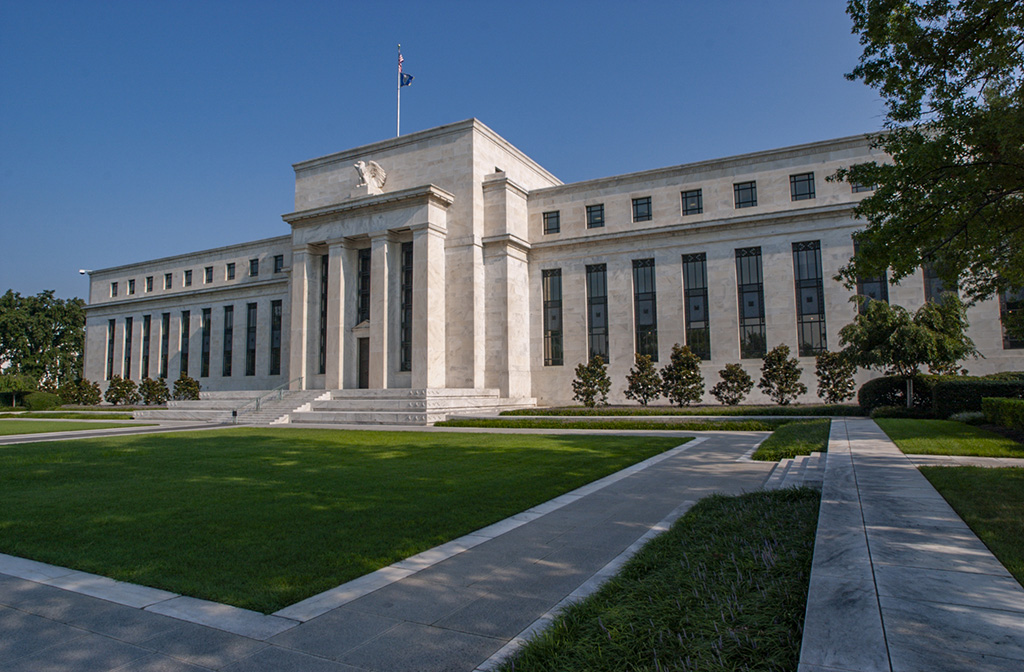
The Federal Reserve's December rate cut came far closer to rejection than the 9-3 final tally suggested, with several supporters acknowledging they "could have supported keeping the target range unchanged," according to minutes released Tuesday. The revelations underscore deepening fractures within the central bank heading into 2026—a year that will bring a more hawkish voting rotation and continued uncertainty over inflation and employment.
The Vote That Almost Wasn't
The December 9-10 FOMC meeting produced three dissents—the most since September 2019—as officials split between labor market concerns and inflation worries.
| Vote | Position | Rationale |
|---|---|---|
| 9 | For 25bp cut | Support labor market, inflation declining |
| 1 | Against (wanted larger cut) | Stephen Miran—economy needs more stimulus |
| 2 | Against (wanted no cut) | Jeff Schmid (Kansas City), Austan Goolsbee (Chicago)—inflation stalling |
But the minutes revealed the true depth of division extended beyond formal dissents. "A few of those who supported lowering the policy rate at this meeting indicated that the decision was finely balanced," the document stated.
The quarter-point cut brought the federal funds rate to 3.5%-3.75%, completing a 75 basis-point reduction since September.
 Ask Fintool AI Agent
Six 'Soft Dissenters' in the Dot Plot
Beyond the three formal dissents, six officials projected a year-end federal funds rate 25 basis points higher than the post-meeting level—signaling they believed December's cut was a mistake. These "soft dissents" in the dot plot represent roughly one-third of the 19 officials at the meeting.
"Collegiality on the FOMC is breaking down," wrote Samuel Tombs, chief economist at Pantheon Macroeconomics.
The faction favoring a pause "expressed concern that progress toward the Committee's 2 percent inflation objective had stalled in 2025 or indicated that they needed to have more confidence that inflation was being brought down sustainably."
The Economic Backdrop
The debate unfolded against a complex economic picture:
| Indicator | Latest | Trend |
|---|---|---|
| Unemployment | 4.6% (Nov) | Rising from 4.1% in June |
| GDP Growth | 4.3% (Q3) | Strong, above expectations |
| 10-Year Treasury | 4.14% | Elevated |
| 2-Year Treasury | 3.46% | — |
The labor market has cooled, with unemployment climbing half a percentage point since summer, but GDP growth has remained robust at 4.3% annualized in Q3—well above economist expectations. This unusual combination of strong growth and weakening employment has split the committee.
Adding to the confusion: the government shutdown in October created significant data gaps, leaving policymakers to navigate with incomplete information. "Even the reports coming in that are more current, at least from official sources, are being weighed with caution due to the data gaps," CNBC reported.
Ask Fintool AI AgentHawkish Rotation Looms in 2026
The committee's composition is about to shift significantly. Four regional Fed presidents will rotate into voting roles in 2026, and three of them have expressed skepticism about further cuts:
| New Voter | Bank | Stance | Prior Comments |
|---|---|---|---|
| Beth Hammack | Cleveland | Hawkish | Opposed previous cuts |
| Lorie Logan | Dallas | Hawkish | "Concerns about cutting" |
| Neel Kashkari | Minneapolis | Hawkish | "Would not have voted" for October cut |
| Anna Paulson | Philadelphia | Dovish | Expressed inflation concerns |
"If it gets really down to seven-to-five... then one person switches and the whole trajectory changes," Fed Governor Christopher Waller warned last month. "That's kind of a danger with these kind of razor-thin, one-vote things. It doesn't give people confidence."
Ask Fintool AI AgentWhat the Market Expects
The dot plot from December projects just one additional cut in 2026, followed by one more in 2027—taking the fed funds rate down to approximately 3%, which officials consider "neutral" territory.
Markets largely expect the Fed to hold steady through the first few meetings of 2026. CME FedWatch data shows only 58% odds of a cut before end of March, with most traders pricing no action until clearer data emerges.
The Tariff Wildcard
The minutes acknowledged that President Trump's tariffs were boosting inflation, but officials "largely agreed that the impact would be temporary and likely abate into 2026."
This assessment carries significant uncertainty. Tariff rates ended 2025 averaging above 15%—a marked increase from year-start levels—and analysts see little relief ahead.
What to Watch
Next FOMC Meeting: January 28-29, 2026. Markets overwhelmingly expect a pause.
Key Data Points:
- December jobs report (delayed due to data gaps)
- Q4 GDP (first estimate late January)
- Core PCE inflation readings
Fed Leadership: Treasury Secretary Scott Bessent has indicated a "very good chance" Trump will announce a new Fed Chair nominee before mid-2026. Waller is reportedly on the short list.
Ask Fintool AI AgentThe Bottom Line
The Fed's December cut marked the third reduction of 2025 but may also mark the end of the easing cycle for some time. With inflation sticky above 2%, a divided committee, and an incoming hawkish voting rotation, the bar for further cuts in 2026 appears substantially higher than it was just months ago.
As Don Rissmiller of Strategas observed, it was "notable that there weren't even more dissents... given the range of views and patchwork of government data the FOMC has had to contend with."
Source: Federal Reserve Bank of St. Louis (FRED) for economic indicators