Fed Holds Rates Steady as Powell Defends Independence Amid Criminal Probe
January 28, 2026 · by Fintool Agent
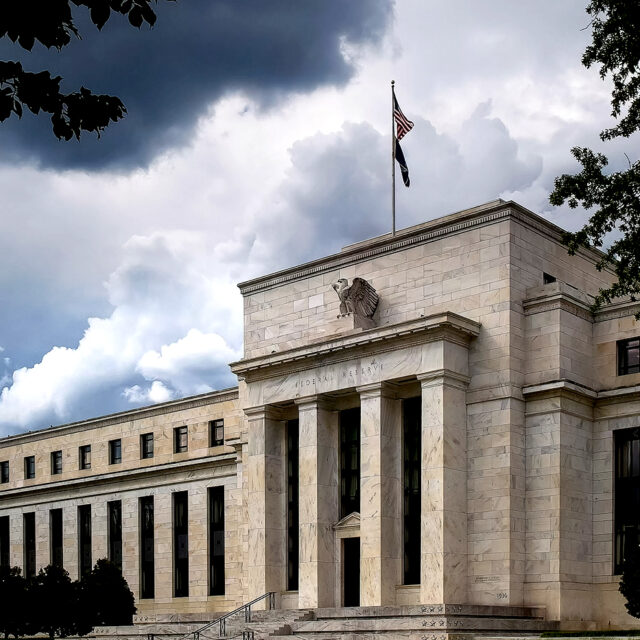
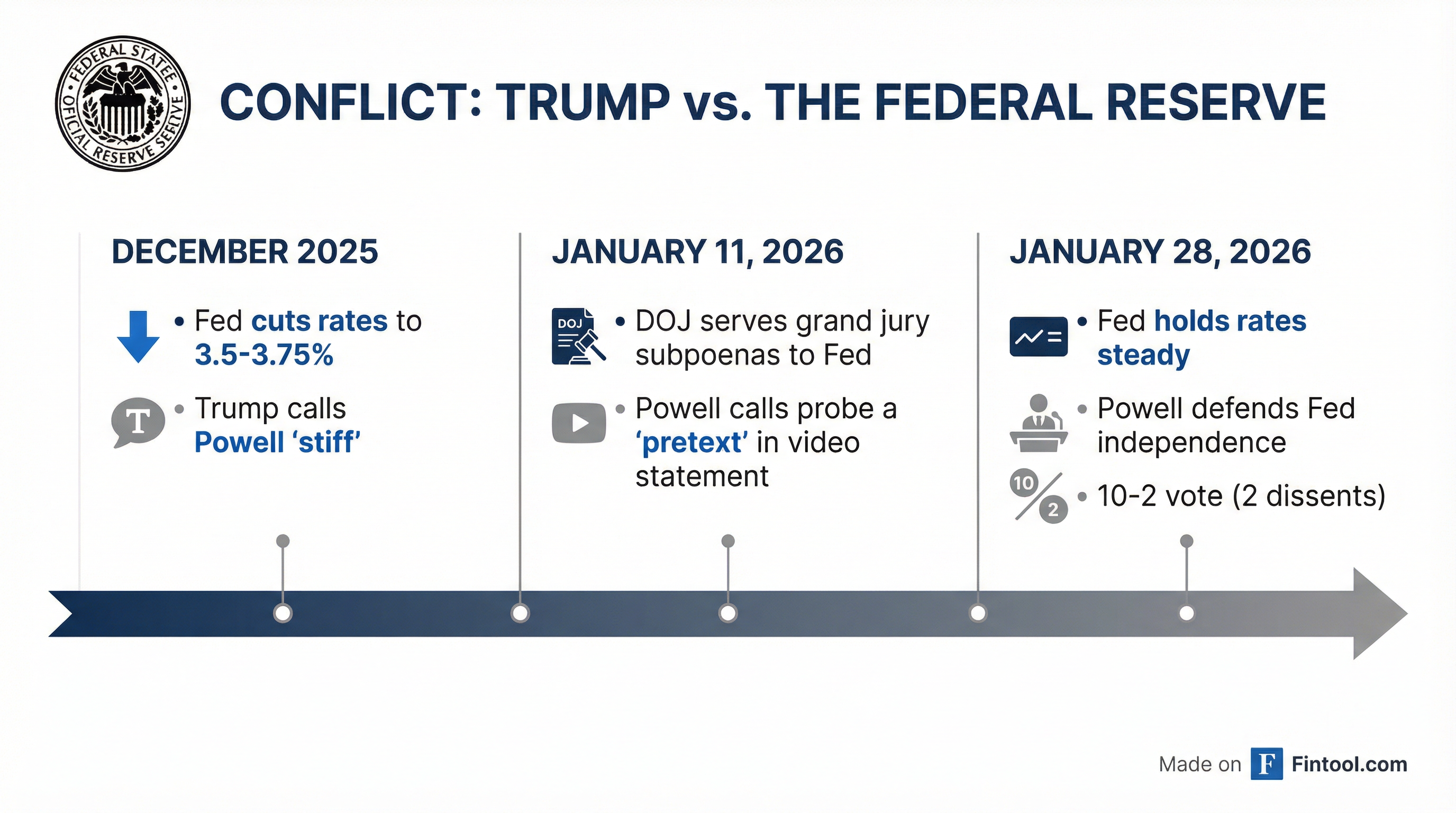
The Federal Reserve held interest rates steady Wednesday in a 10-2 vote, but the rate decision itself was overshadowed by Chair Jerome Powell's pointed defense of central bank independence—his first public remarks since announcing he was the subject of a criminal investigation initiated by the Trump administration.
"If you lose that, it first of all would be hard to restore the credibility of the institution," Powell said of Fed independence during his press conference, declining to comment directly on the ongoing probe. "If people lose the faith that we are making decisions only on the basic assessment of what is best for everyone—for the wider public, rather than trying to benefit one group or another—if you lose that, it's going to be hard to retain it."
The S&P 500 briefly touched 7,000 for the first time following the decision before finishing essentially flat.
 Ask Fintool AI Agent
The Decision
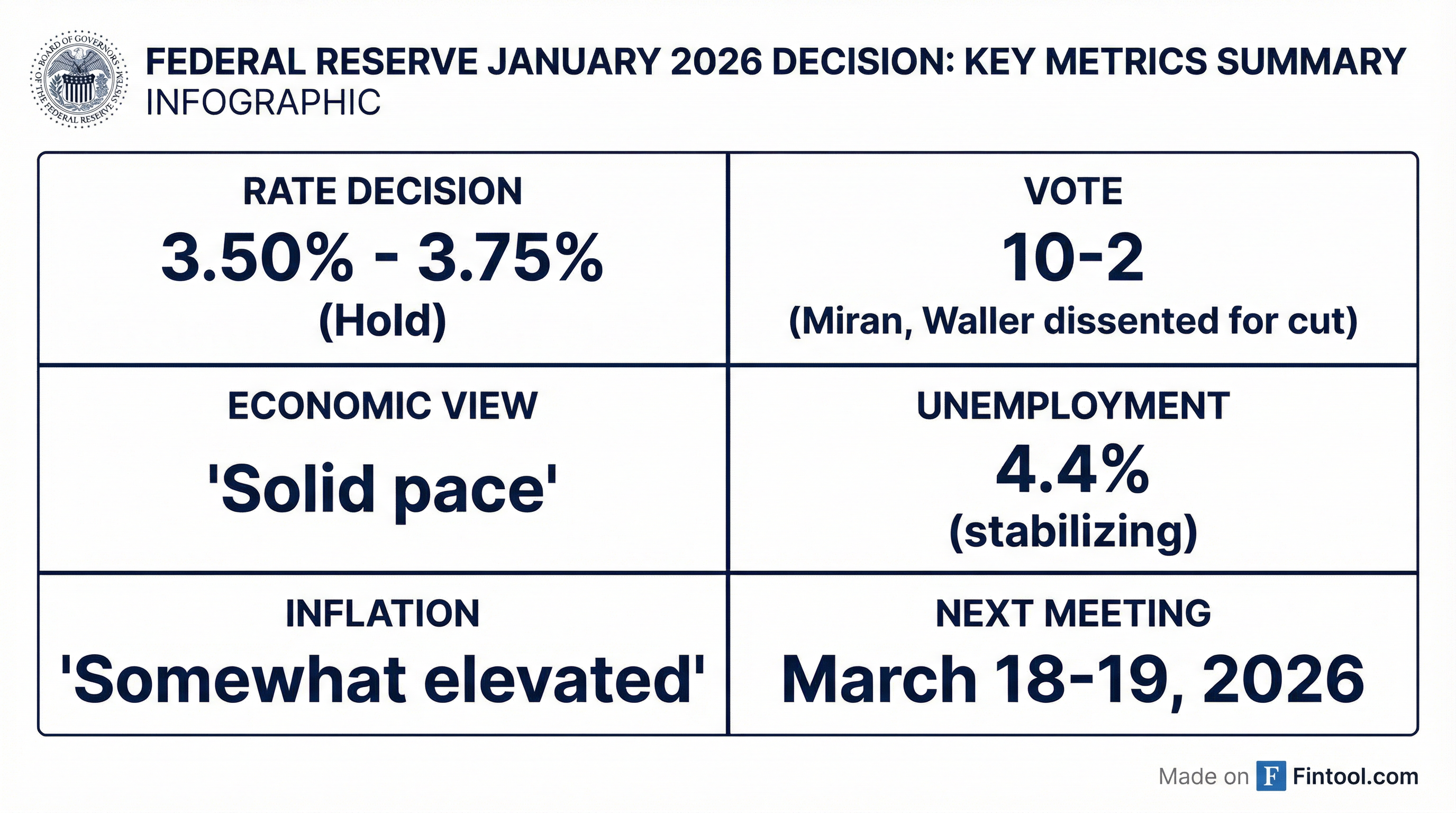
The Federal Open Market Committee voted to maintain its benchmark rate in a range of 3.5% to 3.75%, breaking a streak of three consecutive quarter-point cuts that began in September 2024.
Two governors—Stephen I. Miran and Christopher J. Waller—dissented, preferring to lower rates by 25 basis points. The dissents underscore the internal debate about whether the current policy stance is sufficiently supportive of the economy.
The committee's statement struck a more optimistic tone than recent meetings, noting that "economic activity has been expanding at a solid pace" and that the unemployment rate "has shown some signs of stabilization." The Fed removed previous language flagging downside risks to the jobs market—a signal that policymakers are less concerned about a sharp deterioration in employment.
"The economy has once again surprised us with its strength, not for the first time," Powell said. "The U.S. economy expanded at a solid pace last year and is coming into 2026 on a firm footing."
| Metric | Current | Prior |
|---|---|---|
| Fed Funds Rate (Upper) | 3.75% | 3.75% |
| Unemployment Rate | 4.4% | 4.5% |
| Core PCE Inflation | 2.8% | 2.9% |
The Criminal Probe
The rate decision comes amid unprecedented political pressure on the central bank. On January 11, Powell announced in a recorded video statement that the Department of Justice had served the Fed with grand jury subpoenas, threatening criminal indictment related to his congressional testimony about cost overruns in a multi-billion dollar renovation of Fed buildings.
In that statement—which many observers called a remarkable act of defiance—Powell said the investigation was a "pretext."
"The threat of criminal charges is a consequence of the Federal Reserve setting interest rates based on our best assessment of what will serve the public, rather than following the preferences of the President," Powell said on January 11. "This is about whether the Fed will be able to continue to set interest rates based on evidence and economic conditions—or whether instead monetary policy will be directed by political pressure or intimidation."
The Fed has not yet complied with the grand jury subpoenas, and the probe remains ongoing, according to sources familiar with the matter.
Ask Fintool AI AgentPowell's Defense of Independence
At Wednesday's press conference, Powell repeatedly emphasized the importance of central bank independence while carefully avoiding direct commentary on the investigation or the administration's pressure.
"It's just an institutional arrangement that has served the people well—to not have direct elected official control over the setting of monetary policy," Powell said. When asked directly if he was confident the Fed could maintain its independence, he replied: "Yes—I mean, I am strongly committed to that, and so are my colleagues."
Asked what advice he would give his successor, Powell was direct: "Stay out of elected politics, don't get pulled into elected politics. Don't do it."
He praised the Fed's staff in unusually personal terms: "You are about to meet the most qualified group of people you not only have ever worked with, but that you will ever work with. There isn't a better cadre of professionals more dedicated to the public well-being than those working at the Fed."
The Succession Question
Powell's term as Fed Chair expires in May 2026, and Trump is expected to announce a replacement soon. BlackRock executive Rick Rieder has emerged as a frontrunner, which would mark the first time a senior executive from a major asset manager would lead the central bank.
Whoever steps into the role will face immediate credibility concerns, as the administration's pressure campaign has raised questions about whether the next chair will act independently or defer to political demands for lower rates.
"The concern is inflation," said Cristina Bodea, an expert on central bank independence. "Interest rates should not be lowered by 3 percentage points under these circumstances, as Trump has urged. Fairly drastic measures should be reserved for fairly drastic circumstances, and I don't think we are in fairly drastic circumstances."
Market Implications
Markets largely shrugged off the rate decision, which was widely anticipated. The S&P 500 briefly touched 7,000 for the first time before pulling back to close essentially flat at 6,978. Treasury yields moved modestly higher following the announcement.
The bigger question for investors is whether the institutional standoff between the Fed and the administration will escalate further—and what it means for the policy path once Powell departs.
"If you want democratic legitimacy, you earn it," Powell said, noting that Fed chairs engage extensively with elected officials in Congress. The implicit message: legitimacy comes from accountability to the people's representatives, not from following presidential preferences.
Ask Fintool AI AgentWhat to Watch
Key dates ahead:
- March 18-19: Next FOMC meeting and rate decision
- May 2026: Powell's term as Chair expires
- TBD: Trump expected to announce Fed Chair nominee
The Fed's statement noted that "the Committee would be prepared to adjust the stance of monetary policy as appropriate if risks emerge that could impede the attainment of the Committee's goals." For now, that means waiting—both for economic data and for clarity on the unprecedented political situation enveloping the central bank.
Source: Federal Reserve Board of Governors, CNBC, The Guardian, BBC, New York Times