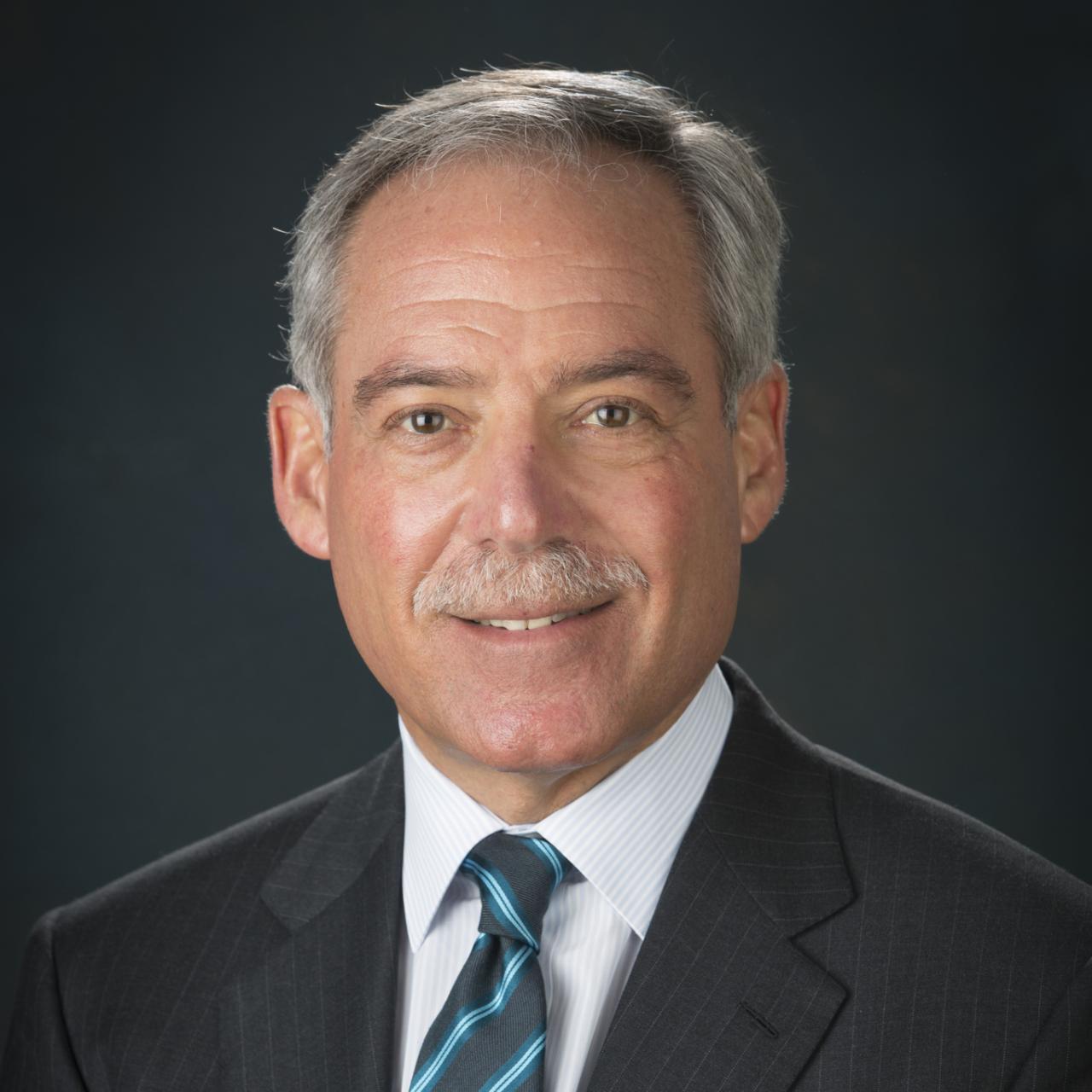
Robert Schottenstein
 M/I HOMES
About Robert Schottenstein
Robert H. Schottenstein, age 72, has served as Chairman since March 2004, Chief Executive Officer since January 2004, and President since May 1996; he has been a director since 1993 and previously worked as a real estate attorney, bringing deep operating and strategic expertise to M/I Homes . Under his leadership, 2024 results reached all‑time records in revenue ($4.5B, +12% Y/Y), net income ($564M, +21%), EPS ($19.71, +22%), and homes delivered (9,055, +12%), while cumulative 2022–2024 PSUs paid out at 150% with relative TSR at the 100th percentile vs the peer group—indicating strong value creation during the period .
Past Roles
| Organization | Role | Years | Strategic impact |
|---|---|---|---|
| M/I Homes | President | Since 1996 | Day-to-day leadership across production, sales, and land functions; extensive knowledge of operations and industry |
| M/I Homes | Chief Executive Officer | Since 2004 | Led strategy and execution; core management/leadership and strategic planning experience |
| M/I Homes | Chairman | Since 2004 | Combined leadership role guiding strategic priorities and Board agenda |
| Prior experience | Real estate attorney | N/A | Legal perspective enhances risk oversight and transactions |
External Roles
| Organization | Role | Years | Notes / Impact |
|---|---|---|---|
| Installed Building Products, Inc. | Director | Current | Public company directorship |
| Bath & Body Works, Inc. (formerly L Brands) | Director | 2017–2022 | Public company governance experience |
| The Ohio State University Wexner Medical Center | Board member | Current | Non-profit/healthcare governance |
| The Ohio State University Foundation | Board member | Current | Philanthropy and fundraising oversight |
| Jewish Federations of North America | Board member | Current | Non-profit leadership |
| Pelotonia | Board member | Current | Cancer research fundraising |
| Columbus Partnership | Member | Current | Civic and economic development |
| Harvard Joint Center for Housing | Executive Committee | Current | Industry thought leadership |
| The Ohio State University | Trustee; Chair of Board | 2005–2014; 2012–2014 | Higher-ed governance and leadership |
Fixed Compensation
| Metric (USD) | FY 2022 | FY 2023 | FY 2024 |
|---|---|---|---|
| Base Salary | $1,000,000 | $1,000,000 | $1,100,000 |
| All Other Compensation (incl. perqs) | $390,442 | $378,723 | $345,196 |
| Notes | — | — | Corporate aircraft permitted for personal use; costs captured in All Other Compensation |
Performance Compensation
Annual Cash Performance Bonus (2024 design and outcome)
| Item | Detail |
|---|---|
| Metric | Adjusted Pre‑Tax Income (APTI) – sole metric |
| Threshold / Target / Maximum APTI | $75M / $610M / $650M |
| CEO bonus opportunity (max) | Up to 412% of base salary |
| Payout curve | Linear interpolation between threshold–target and target–maximum |
| 2024 APTI achieved | $743M |
| CEO bonus paid (2024) | $4,537,500 (maximum) |
Long‑Term Equity (PSUs) – Structure
| Component | Weighting | Threshold | Target | Maximum | Vesting/Other |
|---|---|---|---|---|---|
| Cumulative APTI (2024–2026 PSUs) | 80% | 50% of target shares | 100% | 150% | 3‑year performance period; vest based on results and service |
| Relative TSR vs peer group | 20% | 25th percentile | 50th percentile | 75th percentile | No dividends; settled in shares if earned |
PSUs – Realized for 2022–2024 Performance Cycle
| Performance goal | Threshold | Target | Maximum | Actual | Result |
|---|---|---|---|---|---|
| Cumulative APTI (80%) | $1,275M | $1,655M | $1,725M | $2,004M | Max (150%) |
| Relative TSR (20%) | 25th pct | 50th pct | 75th pct | 100th pct | Max (150%) |
| CEO shares vested (2/11/2025) | — | — | — | 31,518 shares | $3,771,129 value at vest |
2024–2025 Equity Grants and Vesting
| Award | Grant date | Amount/Target | Grant date fair value | Vesting |
|---|---|---|---|---|
| RSUs (2024) | 2/15/2024 | 24,065 units | $2,999,943 | 1/3 annually over 3 years |
| PSUs (2024–2026) | 2/15/2024 | 16,043 target units | $1,960,995 | Earned on 3‑yr APTI (80%) + relative TSR (20%) |
| RSUs (2025) | 2/2025 | 25,073 units | Same aggregate grant value as 2024 RSUs (approximate) | 1/3 annually over 3 years |
| PSUs (2025–2027) | 2/2025 | Target shares ≈ $2,000,000 in value | Similar aggregate value as 2024 PSUs | 3‑yr performance on APTI and relative TSR |
Outstanding Equity Awards (FY2024 year‑end)
| Instrument | Exercisable | Unexercisable | Exercise Price | Expiration | Vesting details |
|---|---|---|---|---|---|
| Stock options (grant 2020) | — | 20,000 | $42.23 | 2/18/2030 | Vests 2/18/2025 |
| Stock options (grant 2021) | — | 40,000 | $51.82 | 2/16/2031 | 50% on 2/16/2025; 50% on 2/16/2026 |
| Stock options (grant 2022) | — | 72,000 | $47.59 | 2/17/2032 | 33% on each of 2/17/2025, 2026, 2027 |
| Stock options (grant 2023) | — | 96,000 | $58.73 | 2/15/2033 | 25% on each of 2/15/2025–2028 |
| Unvested RSUs (2024 grant) | — | 24,065 | — | — | 1/3 annually (2025–2027) |
| Unearned PSUs (target, 2023–2025 + 2024–2026) | — | 33,070 | — | — | Earned on plan metrics; up to 150% of target |
Realizations in 2024
| Item | Amount |
|---|---|
| Options exercised (shares) | 107,200 |
| Value realized on option exercises | $11,977,190 |
| PSUs vested (shares) | 31,518 |
| Value realized on PSU vesting | $3,771,129 |
Equity Ownership & Alignment
| Item | Detail |
|---|---|
| Beneficial ownership | 596,845 common shares (2.2% of class) |
| Ownership components | Includes 309,258 directly, 10,000 spouse (disclaimed), and trusts (94,983 and 94,604; CEO as sole trustee/beneficiary) |
| Executive ownership guidelines | No minimum ownership requirement for executives |
| Hedging/pledging | Company policy prohibits hedging, short sales, holding in margin, and pledging of Company securities by officers and directors (and household members) |
Implication: Significant absolute and relative ownership (2.2%) provides strong alignment; lack of formal ownership guideline is mitigated by policy prohibitions on hedging/pledging and a history of large at‑risk compensation .
Employment Terms
- Employment agreements: None; executives are at‑will .
- Change‑in‑control (CIC) agreements: Double‑trigger with lump sum cash equal to 2.99× base salary + 2.99× five‑year average bonus (CEO), prorated current‑year bonus, and up to 24 months COBRA coverage; CFO multiple is 2.0× .
- 280G treatment: “Modified” gross‑up—Company pays excise tax gross‑up unless a reduction of <10% would eliminate the tax, in which case amounts are cut back to avoid excise tax .
- Equity on termination/CIC:
- Options: Death/disability/retirement → accelerate; otherwise only vested options exercisable (60 days). In a CIC, if cancelled, holder receives cash equal to in‑the‑money value; substitute awards permitted if value preserved .
- PSUs: Termination for death/disability → full earnout based on actual results; retirement/without cause → prorated earnout; CIC → if cancelled, target units vest for cash; substitute awards permitted if value preserved .
- RSUs: Death/disability/retirement → accelerate; CIC → all unvested RSUs vest .
- Annual Incentive Plan: Death/disability/retirement/without cause → prorated bonus for performance period; CIC under 2009 plan deems target earned .
Board Governance
- Roles: Combined Chairman and CEO; Board determined this structure is most effective currently; Lead Independent Director (LID) supplements oversight .
- LID responsibilities: Approves agendas/schedules/materials, presides over executive sessions, serves as liaison with independent directors and is available to shareholders .
- Committee roles: CEO chairs the Executive Committee; is not on Audit/Comp/Nominating; seven of nine directors (and the new nominee) are NYSE‑independent (CEO and CFO are not) .
- Attendance: In 2024, the Board met four times and each director attended at least 75% of Board/committee meetings held during their service .
- Director compensation: As an employee director, Robert H. Schottenstein receives no additional compensation for Board service; director pay applies only to non‑employee directors .
Dual‑role implications: Combined CEO/Chair presents potential concentration of power; mitigants include an empowered LID, regular executive sessions, and a majority‑independent Board .
Director Compensation (context for dual role)
| Element | Typical non‑employee director (2024) |
|---|---|
| Annual cash retainer | $75,000 for members; higher for committee chairs and LID (e.g., Audit Chair $110,000; LID +$40,000) |
| Equity grant | ~$200,000 in RSUs (1,622 units; one‑year vest) |
| Note | Employee directors (CEO/CFO) receive no director pay |
Compensation Structure Analysis
- Mix and trajectory: CEO’s 2024 total comp was $10.94M, with a higher emphasis on equity and performance pay after shifting from stock options to RSUs and increasing PSU target value to ~$2.0M, raising at‑risk pay and alignment with shareholder outcomes .
- Annual bonus design: Single metric (APTI) with high maximum (412% of salary) can amplify pay cyclicality; however, 2024 design raised target/maximum APTI materially versus 2023 and paid at maximum based on $743M APTI, reinforcing pay‑for‑performance .
- Long‑term incentives: PSUs balanced between profitability (80% APTI) and market‑relative alignment (20% RTSR). The 2022–2024 cycle paid at 150% on both metrics, evidencing robust fundamental and market performance .
- Governance features: Clawback policy in effect; no repricing; no employment agreement; independent comp consultant (WTW), with the Committee concluding no conflict despite other corporate services provided by WTW affiliates .
Say‑on‑Pay & Shareholder Feedback
| Year | Approval |
|---|---|
| 2024 | ~91% “FOR” |
| Long‑term average | ~95% since 2011 |
Compensation Peer Group (benchmarking reference)
Peer group includes national production builders such as D.R. Horton, Lennar, PulteGroup, Toll Brothers, NVR, Tri Pointe, KB Home, Meritage, LGI Homes, Century Communities, Beazer, Taylor Morrison, and Hovnanian; the Committee uses this as directional context and does not target a fixed percentile .
Related Party Transactions
- In January 2023, the Company entered a home sale agreement with the CEO’s son, Joshua Schottenstein, for $881,000; closing occurred in April 2024, consistent with the Related Person Transaction Policy and Audit Committee oversight .
Risk Indicators & Red Flags
- CEO + Chairman structure, albeit with LID and majority‑independent Board .
- Modified 280G excise tax gross‑up in CIC agreements (shareholder‑unfriendly feature partly mitigated by cut‑back clause) .
- No formal executive stock ownership guidelines (mitigated by significant personal holdings and hedging/pledging prohibitions) .
- High leverage to single annual bonus metric (APTI), balanced by multi‑year PSUs with profitability and relative TSR components .
Trading Signals and Vesting/Cash‑Out Windows
- 2024 realizations: CEO exercised 107,200 options ($11.98M value realized) and vested 31,518 PSUs ($3.77M), indicating sizable liquidity events around vesting/exercise windows .
- Upcoming potential supply: Large unexercised option tranches vesting annually through 2028 (96k @ $58.73; 72k @ $47.59; 40k @ $51.82; 20k @ $42.23) plus RSU tranches vesting in 2025–2027 may create periodic selling pressure (subject to trading policy and 10b5‑1 plans) .
- Policy mitigants: Strict prohibitions on hedging/pledging and insider trading controls .
Employment & Retention Considerations
- Strong retention through multi‑year RSU/PSU vesting and sizeable unvested equity; at‑will employment without fixed-term contract reduces “guaranteed” retention but CIC protections are robust (double‑trigger, 2.99x cash multiple) .
- Age and succession: At 72, succession planning remains a governance focus for continuity; Board reviews succession plans as part of Compensation Committee oversight .
Board Service History, Committees, Independence
- Director since 1993; Chairman since 2004; Executive Committee Chair; not independent by NYSE rules .
- Lead Independent Director in place; independent directors hold executive sessions at every regular meeting .
- Attendance at/above policy thresholds (≥75%) in 2024 .
Investment Implications
- Alignment and value creation: High insider ownership (2.2%), maximum bonus earned on record APTI, and 150% PSU payouts (including 100th percentile relative TSR) support alignment and execution under Schottenstein’s tenure .
- Near‑term flow dynamics: Multiple annual vesting events (options and RSUs) and recent large exercises/vestings point to recurring windows of potential insider selling pressure; monitor Form 4s around February and mid‑Q1 timing based on historical grant/vesting dates .
- Governance watch items: Combined CEO/Chair role and modified excise tax gross‑up remain notable; mitigated by LID, majority‑independent Board, clawback, and prohibition on hedging/pledging .
- Performance sensitivity: Annual bonus relies solely on APTI; macro‑driven earnings variability can drive volatile cash payouts year to year, partly balanced by multi‑year PSUs and equity mix shift to RSUs enhancing retention through cycles .