JPMorgan Takes Over Apple Card at $1B+ Discount as Goldman's Consumer Experiment Ends
January 7, 2026 · by Fintool Agent


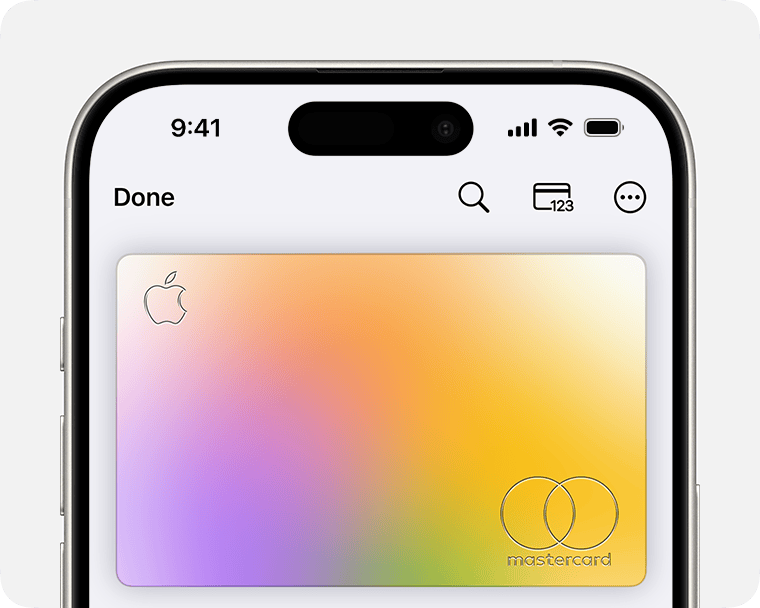
JPMorgan Chase has reached a deal to take over Apple's credit card program from Goldman Sachs, acquiring roughly $20 billion in outstanding balances at a discount exceeding $1 billion—an extraordinary concession that underscores the wreckage of Goldman's foray into consumer banking.
The deal, expected to be announced publicly within days, ends a painful chapter for Goldman while cementing JPMorgan's position as the undisputed leader in U.S. credit cards. JPMorgan will also take over Apple's savings account product, giving customers the option to migrate their balances.
The Discount That Says It All
The transfer price reveals the magnitude of Goldman's miscalculation. Co-branded credit card portfolios typically sell at premiums of up to 8%, with the strongest programs commanding double-digit premiums. Discounts are reserved for "the most challenged cases."
Goldman's willingness to accept such a steep haircut reflects years of accumulated losses, regulatory scrutiny, and a portfolio weighted heavily toward subprime borrowers—a customer base JPMorgan would not typically serve.
 Ask Fintool AI Agent
A $6 Billion Lesson in Consumer Banking
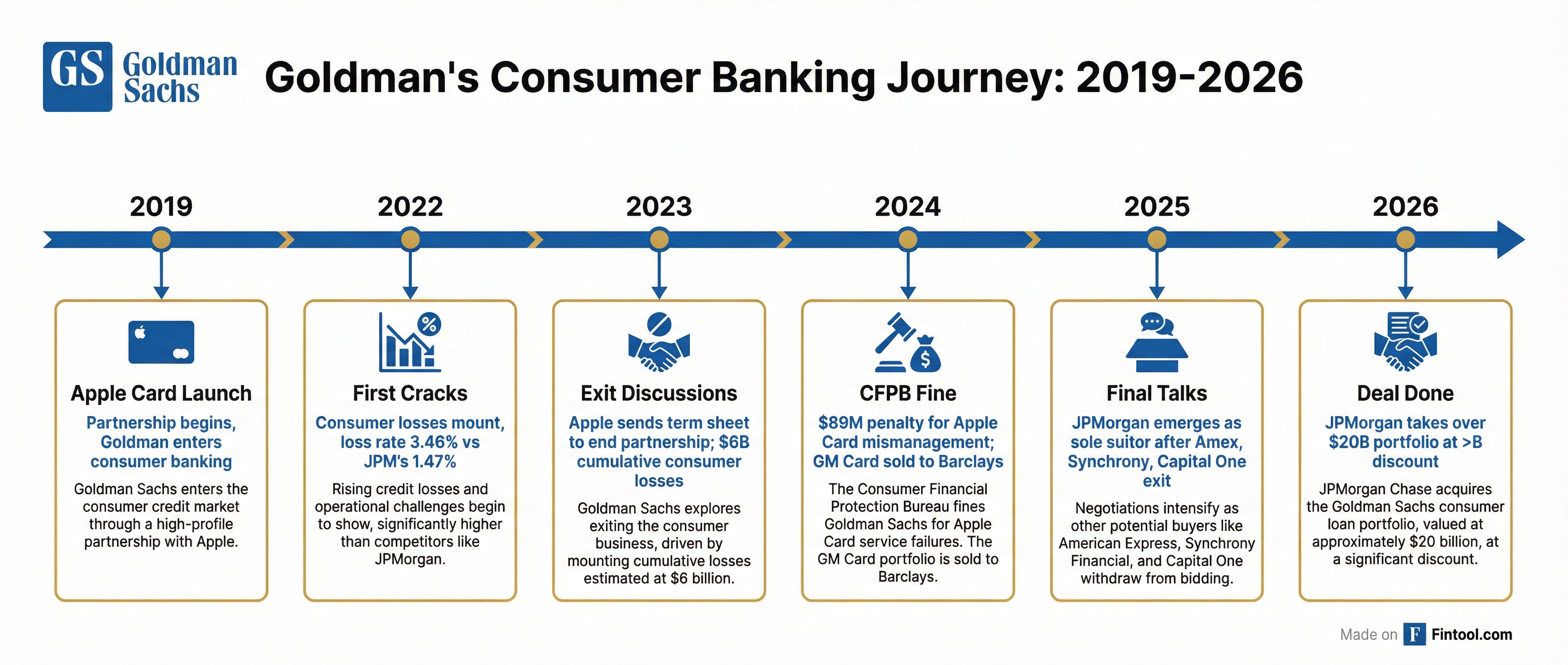
Goldman's consumer banking experiment will go down as one of the most expensive strategic missteps in recent Wall Street history. The firm's Platform Solutions segment, which houses the Apple Card, accumulated over $6 billion in cumulative losses since 2019.
The losses stemmed from a toxic combination of factors:
Aggressive Underwriting: Apple wanted Goldman to approve as many iPhone users as possible, pushing the bank toward customers it had no experience serving. By late 2023, more than 25% of Goldman's card loans went to borrowers with FICO scores below 660—a level "well above subprime lenders."
Fee-Free Economics: Apple Card offered no foreign transaction fees, no late fees, no returned payment fees, up to 3% cash back on partner merchants, and 0% APR financing on Apple devices—generous terms that squeezed margins while attracting higher-risk borrowers.
Credit Deterioration: Goldman's credit card net loss rate hit 3.46% in 2022—more than double JPMorgan's 1.47%—and climbed to 6.2% by Q3 2023.
Regulatory Penalties: The Consumer Financial Protection Bureau fined Goldman and Apple $89 million in October 2024 for mishandling customer disputes and misleading consumers about interest-free payment plans. The CFPB also banned Goldman from issuing new credit cards unless it can demonstrate regulatory compliance.
Goldman CEO David Solomon acknowledged the mistakes in 2022: "We tried to do too much, too quickly, and as a result, some of our execution wasn't good."
Goldman's Retreat from Consumer Banking
The Apple Card exit caps a broader withdrawal from consumer finance that began in 2023. Goldman has also:
- Sold the GM credit card program to Barclays, completed in Q3 2025
- Divested its seller financing loan portfolio of small- and medium-sized retail loans
- Wound down GreenSky, its buy-now-pay-later platform
The Platform Solutions segment remains Goldman's sole direct consumer exposure, with Apple Card credit card balances of approximately $20 billion as of September 2025.
Goldman's leadership has been explicit about the drag on returns. CEO David Solomon told analysts in January 2025 that Platform Solutions represented "a 75 to 100 basis point drag on the firm's overall ROE," promising improvements in 2025 and 2026 as the bank narrows its focus.
| Metric | Q4 2024 | Q1 2025 | Q2 2025 | Q3 2025 |
|---|---|---|---|---|
| GS Revenue ($B) | $12.3 | $12.2 | $11.5 | $11.3 |
| GS Net Income ($B) | $4.1 | $4.7 | $3.7 | $4.1 |
| GS ROE (%) | 13.5% | 15.3% | 12.0% | 13.2% |
Ask Fintool AI AgentWhy JPMorgan?
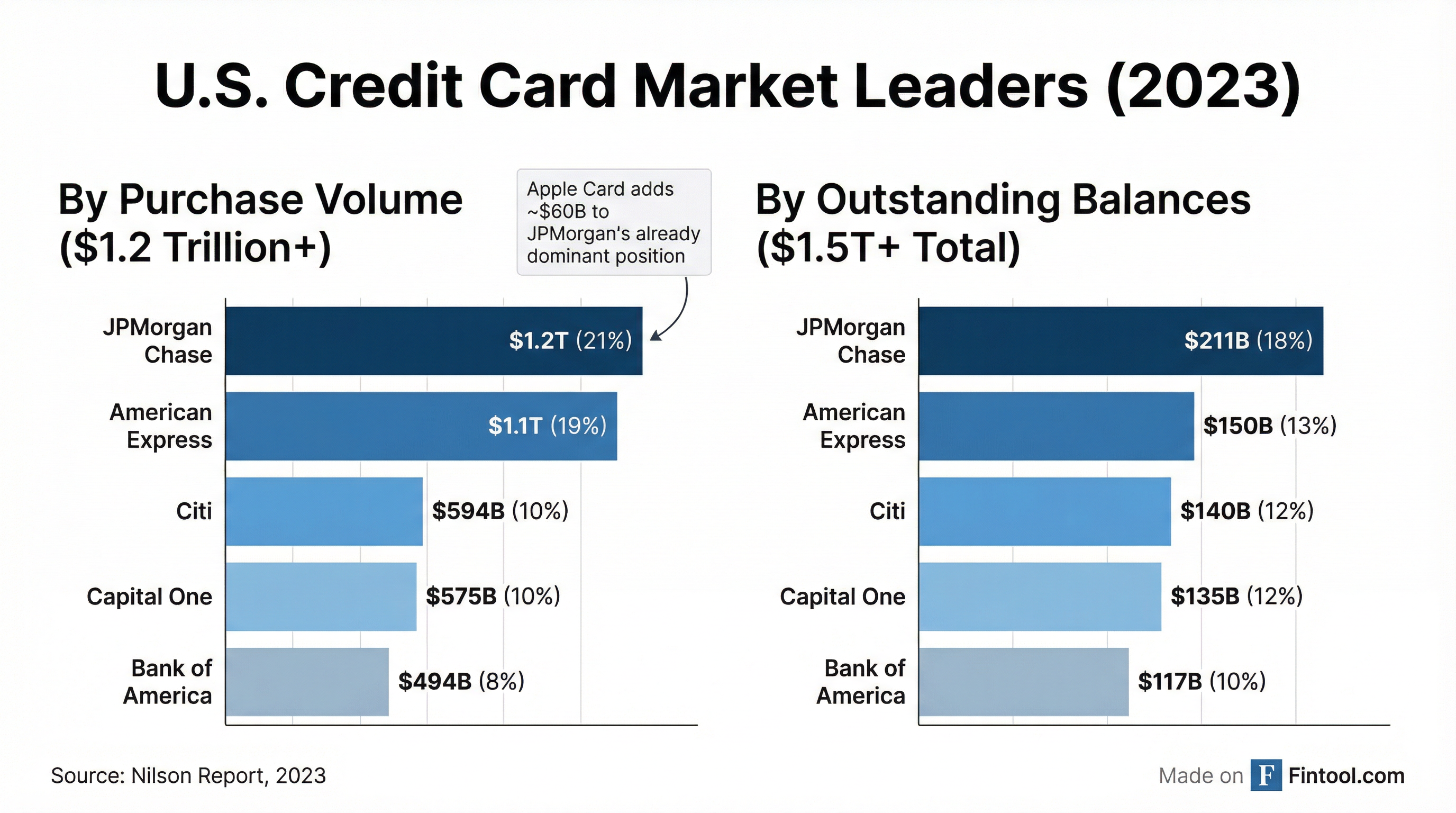
For JPMorgan, the Apple Card represents incremental growth in an already dominant franchise. The bank commands 21% of U.S. credit card purchase volume ($1.2 trillion) and 18% of outstanding balances ($211 billion), making it the largest card issuer by both measures.
JPMorgan's Consumer & Community Banking segment delivered strong results in Q4 2024, with Card Services & Auto revenue up 14% year-over-year on higher revolving balances. The bank acquired nearly 10 million new card accounts during 2024 and maintains a far healthier credit profile, with a net charge-off rate of 3.15%—roughly half Goldman's peak Apple Card losses.
| Metric | Q4 2024 | Q1 2025 | Q2 2025 | Q3 2025 |
|---|---|---|---|---|
| JPM Revenue ($B) | $19.4 | $22.0 | $21.7 | $22.5 |
| JPM Net Income ($B) | $14.0* | $14.6 | $15.0 | $14.4 |
| Card Outstandings Growth | +11% YoY | +10% YoY | +9% YoY | -- |
*Values retrieved from S&P Global
The discount at which JPMorgan is acquiring the portfolio suggests the bank negotiated hard, refusing to take on Goldman's credit problems without significant compensation. Other suitors—including American Express, Synchrony, and Barclays—exited negotiations over the past year, leaving JPMorgan as the last bank standing.
What It Means for Apple Card Customers
Apple Card holders should expect minimal immediate disruption. The physical titanium card, Daily Cash rewards, and iPhone integration will continue unchanged. JPMorgan will launch a new Apple savings account, and customers with existing Goldman-backed savings accounts can choose whether to migrate.
The bigger question is whether JPMorgan will maintain Apple Card's customer-friendly terms. The fee-free structure and generous rewards that made the card attractive to consumers were also the features that made it unprofitable for Goldman. JPMorgan, with its operational scale and risk management expertise, may be better positioned to absorb these costs—but may also tighten underwriting standards over time.
Ask Fintool AI AgentWhat to Watch
Goldman's ROE Recovery: With Platform Solutions finally off the books, Goldman's path to mid-teens returns becomes clearer. Management has targeted 15%+ ROE through Global Banking & Markets and Asset & Wealth Management.
JPMorgan's Integration: Watch for changes to Apple Card terms, underwriting criteria, or rewards structure that could signal JPMorgan's approach to the portfolio's credit quality issues.
Apple's Next Partner: With JPMorgan, Apple trades a struggling novice for a battle-tested giant. Whether the relationship proves more durable than the Goldman partnership will depend on how well both parties balance profitability with customer experience.
The original Apple-Goldman contract was set to expire in 2030. It lasted barely six years before unraveling—a costly reminder that even the world's most valuable company and one of Wall Street's most storied names can stumble when they venture outside their core competencies.
Related Companies: JPMorgan Chase · Goldman Sachs · Apple