Musk Demands Up to $134 Billion From OpenAI and Microsoft in Blockbuster AI Lawsuit
January 17, 2026 · by Fintool Agent


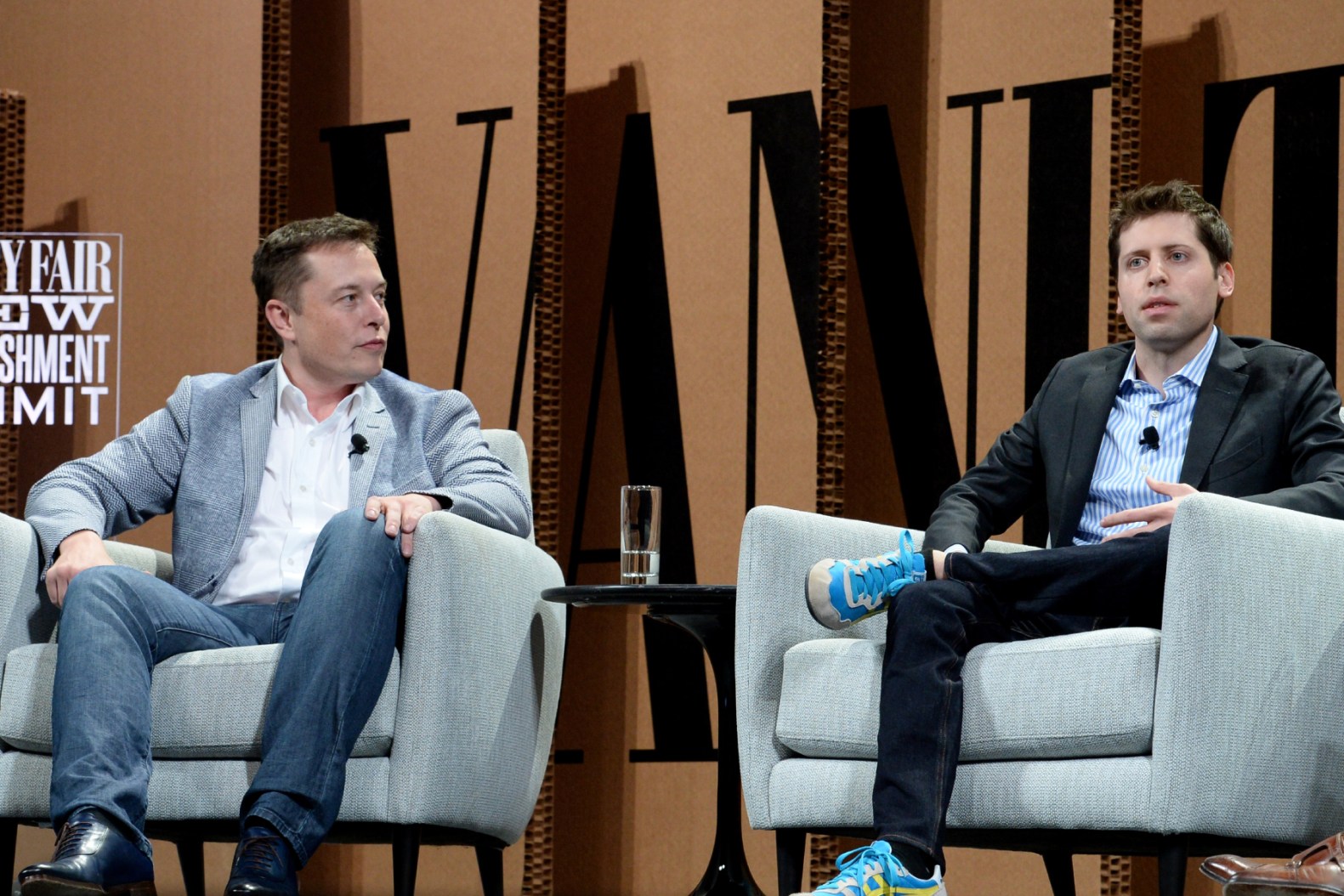
The world's richest person wants a piece of the world's most valuable private company—and he's asking for up to $134 billion to get it.
Elon Musk filed court papers Friday demanding that Openai and Microsoft+1.90% pay him damages ranging from $79 billion to $134 billion, claiming he's entitled to "wrongful gains" from his early contributions to the AI giant.
The filing comes one day after a federal judge rejected OpenAI and Microsoft's final attempt to avoid a jury trial, now set for late April in Oakland, California.
"Without Elon Musk, there'd be no OpenAI," Musk's lead trial lawyer Steven Molo said in a statement. "He provided the bulk of the seed funding, lent his reputation, and taught them all he knows about scaling a business."
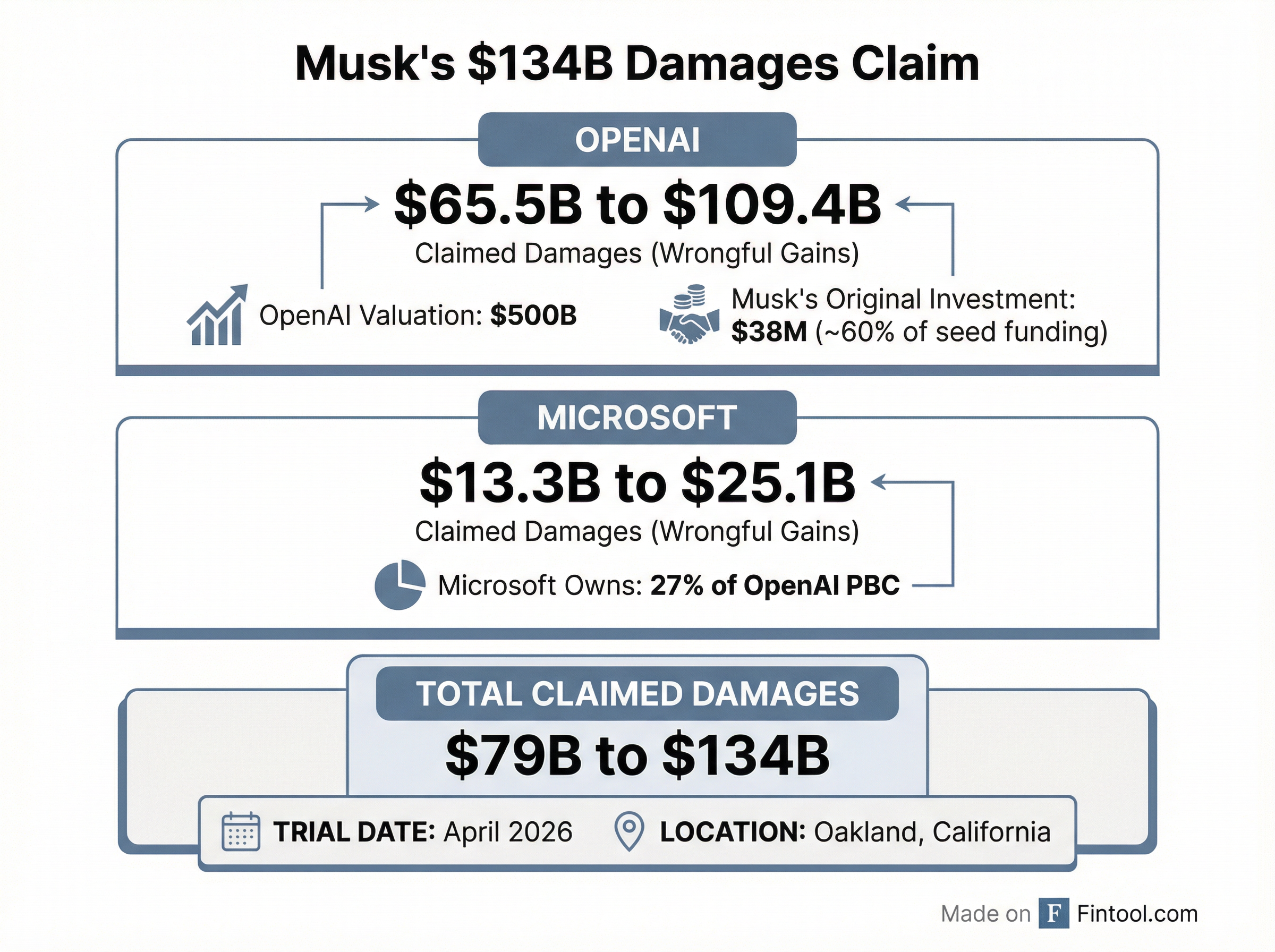
The Math Behind the Demand
The staggering damages figure was calculated by C. Paul Wazzan, a financial economist serving as Musk's expert witness. Wazzan's analysis breaks down the claimed "wrongful gains" between the two defendants:
| Defendant | Claimed Damages (Low) | Claimed Damages (High) |
|---|---|---|
| OpenAI | $65.5 billion | $109.4 billion |
| Microsoft | $13.3 billion | $25.1 billion |
| Total | $79 billion | $134 billion |
The calculation traces back to Musk's $38 million in seed funding when he co-founded OpenAI in 2015—roughly 60% of the nonprofit's initial capital.
"Just as an early investor in a startup company may realize gains many orders of magnitude greater than the investor's initial investment, the wrongful gains that OpenAI and Microsoft have earned—and which Mr. Musk is now entitled to disgorge—are much larger than Mr. Musk's initial contributions," the filing argues.
At OpenAI's current $500 billion valuation, Musk's demand implies a 3,500-fold return on his original investment.
 Ask Fintool AI Agent
Microsoft's $13 Billion Bet—and Its Costs
For Microsoft, the lawsuit adds another layer of uncertainty to its massive AI partnership. The software giant holds approximately 27% of OpenAI's restructured public benefit corporation and has committed $13 billion in total funding.
But the investment hasn't been painless. Microsoft's most recent 10-Q reveals that OpenAI losses are weighing on earnings:
| Period | Net Losses from OpenAI Investment |
|---|---|
| Q1 FY2025 (Sep 2024) | $688 million |
| Q1 FY2026 (Sep 2025) | $4.1 billion |
Microsoft now reports adjusted earnings excluding OpenAI losses—a sign of how material the investment has become. In Q1 FY2026, excluding OpenAI, adjusted diluted EPS was $4.13 versus reported GAAP EPS of $3.72.
Microsoft shares closed Friday at $459.86, up 0.7% on the day but down 17% from their 52-week high of $555.45.
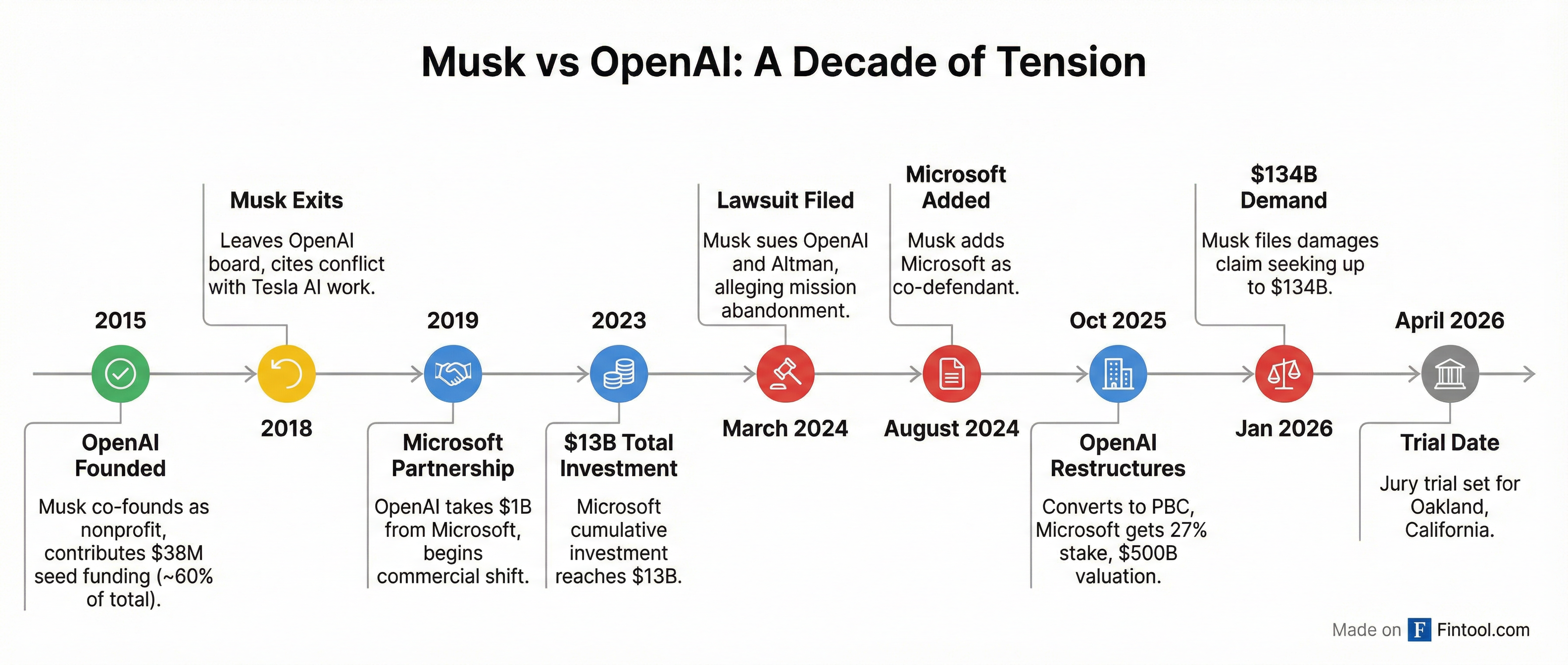
A Decade of Tension
The lawsuit caps years of escalating conflict between Musk and the company he helped create:
2015: Musk co-founds OpenAI as a nonprofit, contributing roughly 60% of seed funding with the stated mission of ensuring AI benefits humanity broadly.
2018: Musk leaves OpenAI's board, citing potential conflicts with Tesla's autonomous driving work.
2019: OpenAI accepts a $1 billion investment from Microsoft, beginning its commercial transformation.
March 2024: Musk files his initial lawsuit, alleging OpenAI abandoned its nonprofit mission.
October 2025: OpenAI restructures into a public benefit corporation, giving Microsoft 27% ownership and achieving a $500 billion valuation.
January 2026: Musk files the $134 billion damages demand.
Ask Fintool AI AgentOpenAI Fires Back
OpenAI has dismissed the lawsuit as part of an "ongoing pattern of harassment" by Musk, who now runs xAI—a direct competitor to ChatGPT's creator.
Earlier this week, OpenAI sent a letter to investors warning them to expect "deliberately outlandish, attention-grabbing claims" as the trial approaches.
In a separate filing Friday, OpenAI and Microsoft challenged Musk's damages claims, arguing his expert's analysis should be excluded as "made up," "unverifiable," and "unprecedented."
The companies also disputed the methodology more broadly, calling the estimated payout "implausible" and characterizing it as an attempted "transfer of billions from a nonprofit to a former donor-turned-competitor."
What's Really at Stake
For context, even a $134 billion payout would represent a relatively modest addition to Musk's wealth. His fortune currently hovers around $700 billion, making him by far the world's richest person—exceeding second-place Larry Page by roughly $500 billion.
But the lawsuit's implications extend far beyond the dollar figures. A ruling in Musk's favor could:
- Redefine founder rights: Establish precedent that early donors to nonprofits can claim commercial gains if the entity restructures
- Complicate AI governance: Create uncertainty around nonprofit-to-for-profit transitions in the AI sector
- Chill tech philanthropy: Make donors think twice about contributing to mission-driven organizations
For Microsoft, a worst-case outcome could force a writedown of its OpenAI stake—already generating billions in recognized losses—and potentially restructure the partnership entirely.
Ask Fintool AI AgentWhat to Watch
The trial is set for late April 2026 in Oakland, California. Key milestones leading up:
- Pre-trial motions: Both sides will battle over what evidence and expert testimony the jury can hear
- Discovery disputes: Musk has been using recently unsealed court documents to attack OpenAI publicly on X
- OpenAI's response: The company published a blog post titled "The truth Elon left out," alleging Musk wanted "full control" of OpenAI
- Potential settlement: Given the stakes, a negotiated resolution remains possible—though increasingly unlikely given the public acrimony
For investors in Microsoft+1.90%, the lawsuit adds another variable to an already complex AI story. For the broader tech industry, it's a reminder that the AI gold rush comes with legal risks that are only beginning to crystallize.
Related