SpaceX Taps Goldman, JPMorgan, Morgan Stanley and Bank of America to Lead Historic Trillion-Dollar IPO
January 22, 2026 · by Fintool Agent


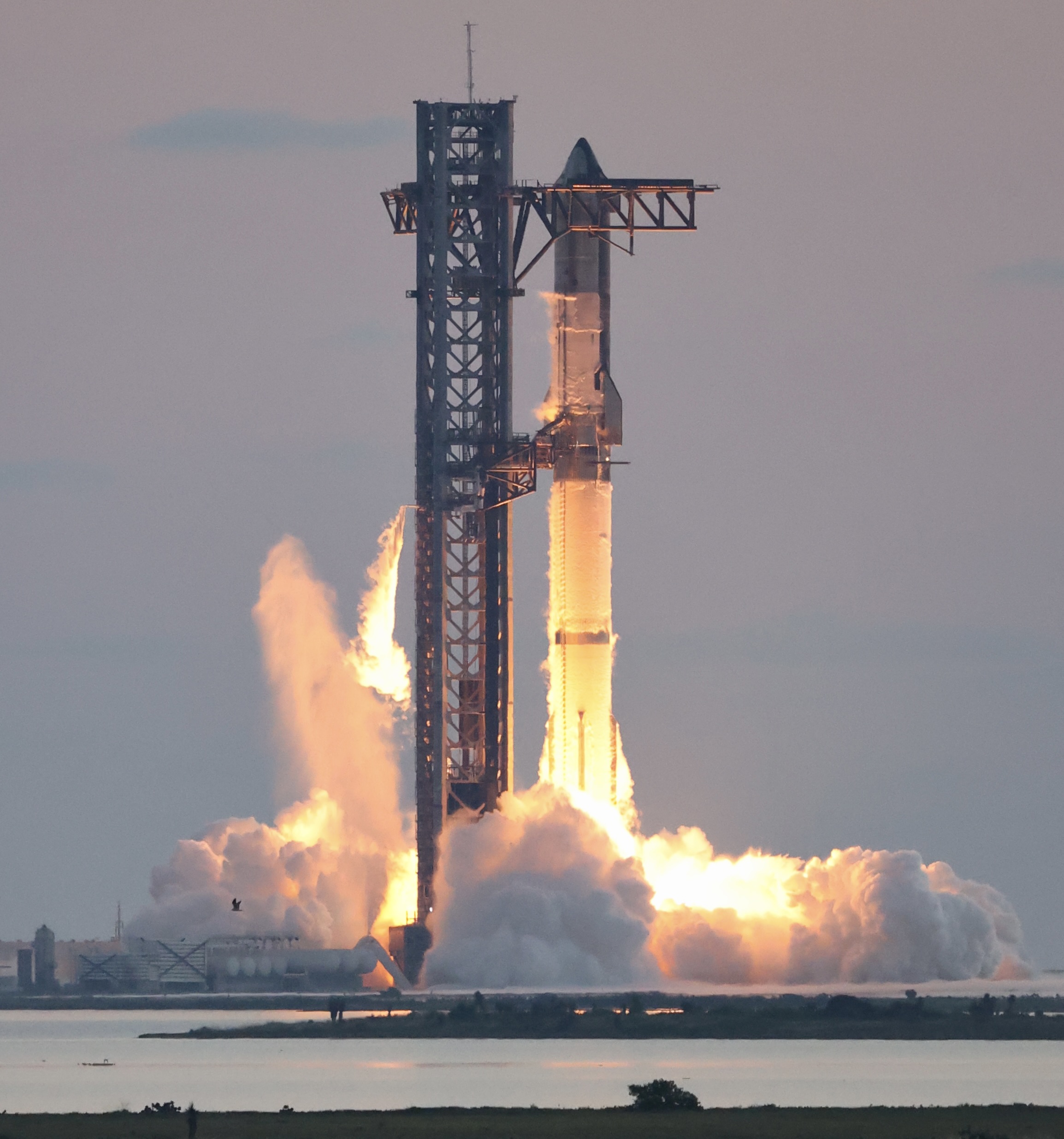
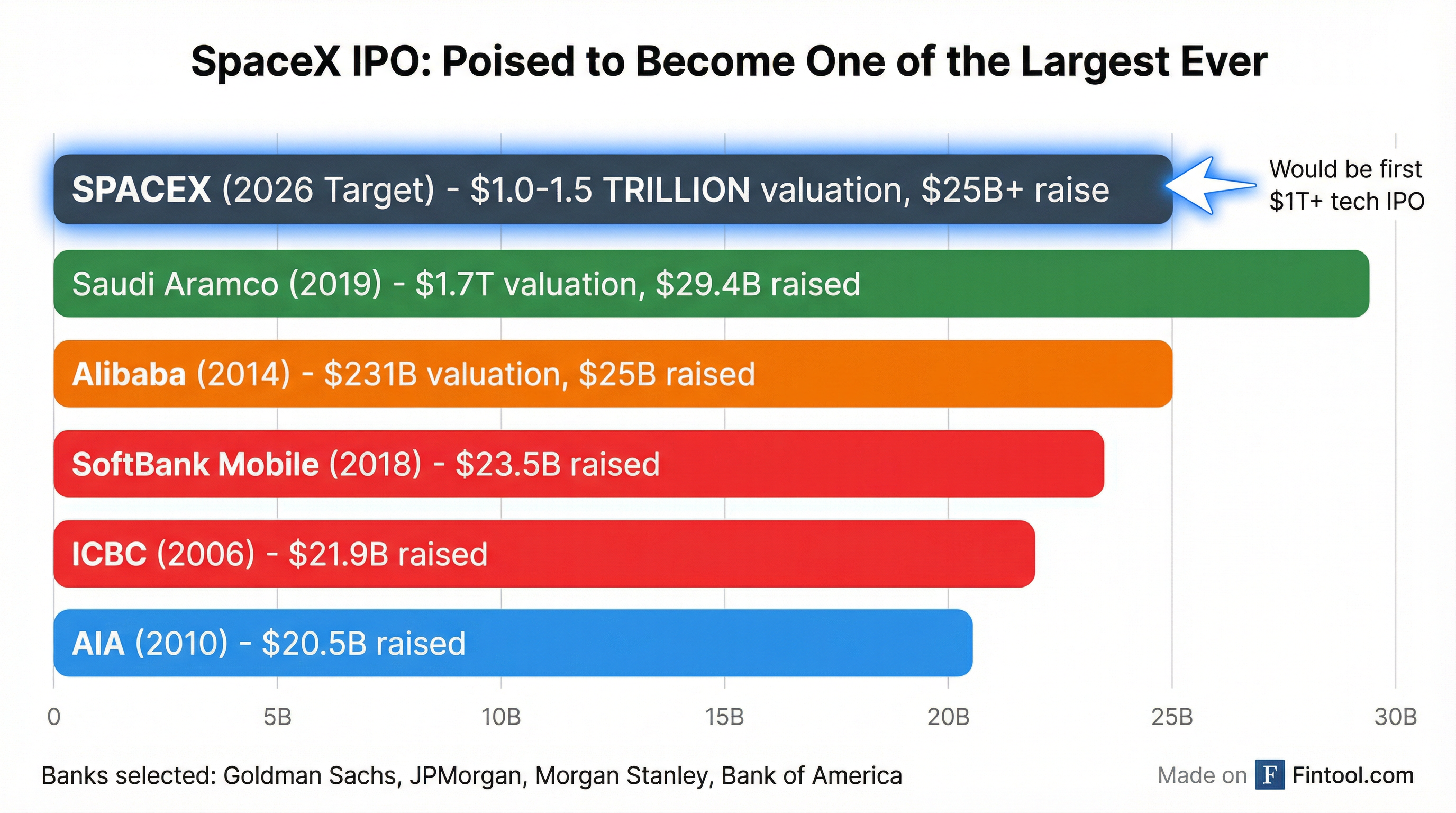
Elon Musk's SpaceX has selected Goldman Sachs, JPMorgan Chase, Morgan Stanley, and Bank of America as lead underwriters for what could become the largest initial public offering in history, the Financial Times reported on Thursday.
The rocket-maker and satellite operator is targeting a valuation between $1 trillion and $1.5 trillion, with plans to raise more than $25 billion in a mid-to-late 2026 listing. If successful, the offering would surpass Saudi Aramco's $29.4 billion IPO in 2019 and mark the first tech company to go public at a trillion-dollar valuation.
The Deal Takes Shape
No final decisions have been made, but the selection of Wall Street's four largest investment banks signals serious momentum toward a public debut. Morgan Stanley had been seen as a frontrunner given its close ties to Musk, but the company appears to be spreading the mandate across all major players.
Other banks are also likely to land roles on the listing, though the exact structure remains fluid. SpaceX, Goldman Sachs, JPMorgan, and Morgan Stanley did not immediately respond to requests for comment.
 Ask Fintool AI Agent
SpaceX's Valuation Journey
The path to a trillion-dollar valuation reflects SpaceX's rapid transformation from a rocket company into a global communications powerhouse:
- December 2024: $350 billion (secondary share sale at $185/share)
- June 2025: $400 billion (planned insider share sale)
- July 2025: $400 billion (announced valuation)
- December 2025: ~$800 billion (secondary share sale at $421/share)
- 2026 IPO Target: $1.0-1.5 trillion
SpaceX has conducted regular secondary share sales to provide liquidity for employees and early shareholders, maintaining its cash-flow positive status without needing to raise primary capital in recent years.
Starlink: The Revenue Engine
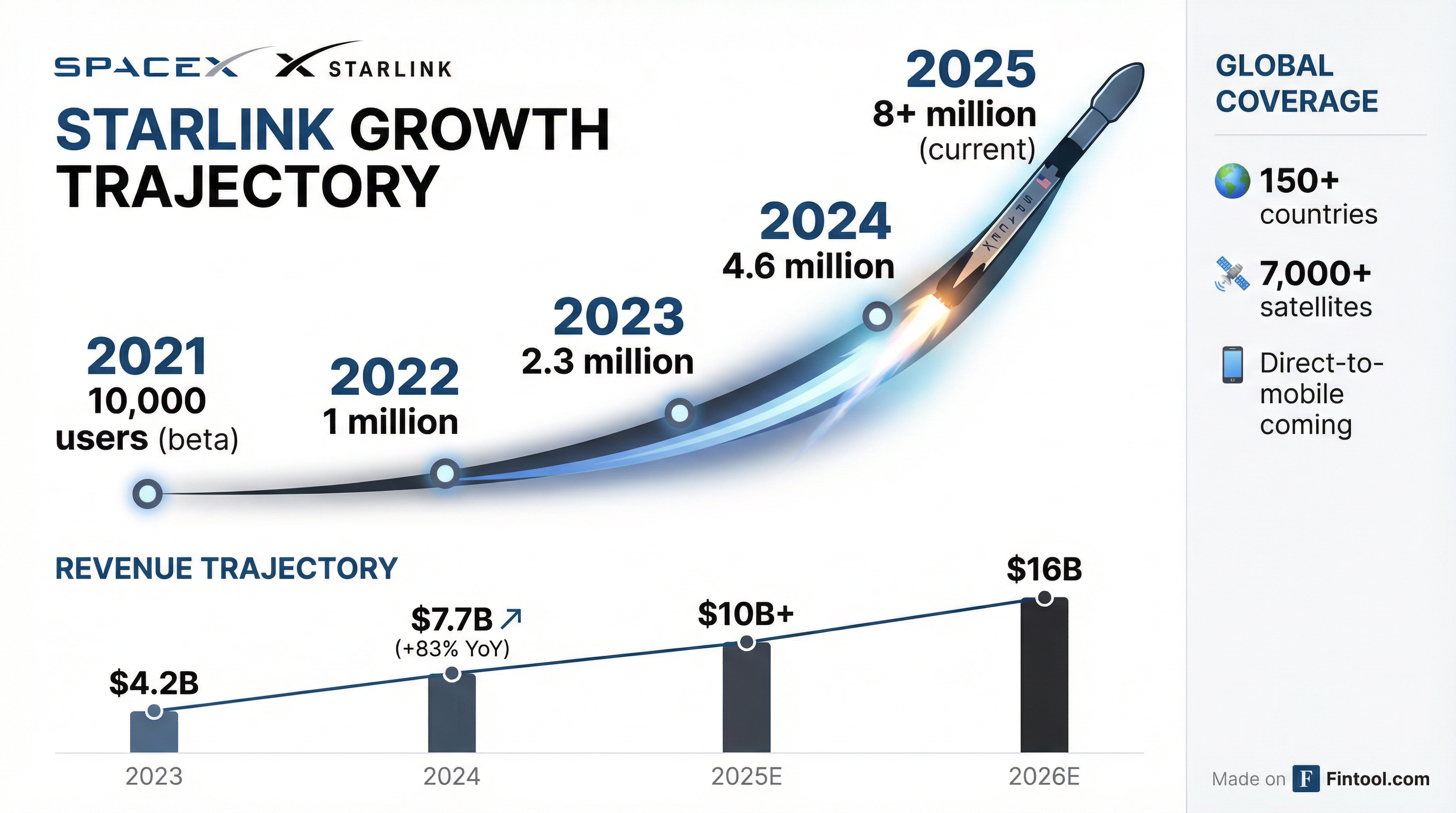
The bullish case for SpaceX centers on Starlink, its satellite internet service that has become the company's dominant revenue driver. From just 10,000 beta users in 2021, Starlink has grown to over 8 million subscribers across more than 150 countries.
Starlink Financial Trajectory:
| Metric | 2023 | 2024 | 2025E | 2026E |
|---|---|---|---|---|
| Revenue | $4.2B | $7.7B | $10B | $16B |
| YoY Growth | — | +83% | +30% | +60% |
| % of SpaceX Revenue | 48% | 63% | 65% | 70% |
Source: Sacra estimates, Forbes analysis
Independent projections suggest Starlink alone may reach approximately $16 billion in revenue in 2026, generating nearly $11 billion of EBITDA and approaching $5 billion of free cash flow as capital expenditure intensity declines.
 Ask Fintool AI Agent
SpaceX's Dual Business Model
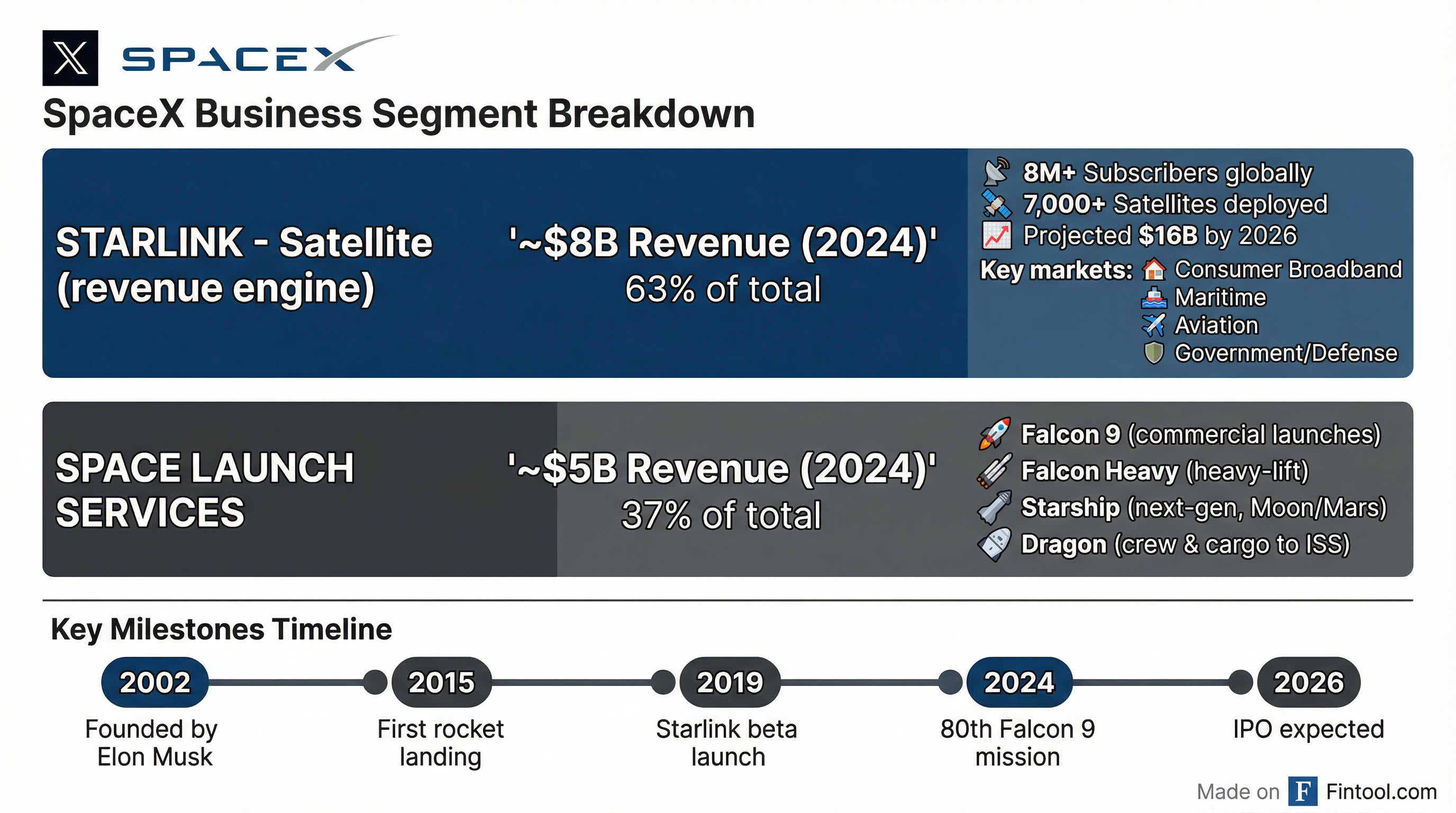
Beyond Starlink, SpaceX operates the world's most active rocket launch business:
Space Launch Services includes:
- Falcon 9: The workhorse of commercial space, with over 80 missions annually
- Falcon Heavy: Heavy-lift vehicle for government and commercial payloads
- Starship: Next-generation rocket designed for lunar and Mars missions
- Dragon: Crew and cargo transport to the International Space Station
Musk has indicated SpaceX could see around $15.5 billion in 2025 revenue, increasing to between $22 billion and $24 billion in 2026, with the majority coming from Starlink.
Use of IPO Proceeds
SpaceX expects to use funds from the public listing to develop space-based data centers, including purchasing the chips required to run them—an idea Musk has championed as the next frontier for AI infrastructure.
Analysts see this positioning as strategic framing for the valuation rather than near-term revenue generation. By linking SpaceX to AI infrastructure demand—with xAI as the implied internal anchor customer—the company creates "valuation scaffolding" that positions space-based compute as a solution to the limits AI is starting to run into on Earth.
The Valuation Debate
At a $1.5 trillion valuation, SpaceX would trade at metrics that don't fit traditional frameworks—potentially 300x earnings, similar to where Tesla has traded.
"You can't easily justify the valuation of Tesla either in the context of normal metrics," one analyst noted. "I think the only way you justify it is through belief in Elon Musk."
The skeptics argue that even with Starlink's impressive growth, the core business doesn't support a trillion-dollar-plus valuation. Believers counter that Musk's track record of defying expectations—from reusable rockets to mass-market electric vehicles—warrants a premium.
What to Watch
Key catalysts ahead:
- Final underwriter selection and formal IPO filing (S-1)
- Starlink direct-to-mobile service launch
- Starship commercial operations timeline
- 2025 and 2026 financial disclosures
- Potential Starlink spinoff considerations
A successful SpaceX IPO could open the floodgates for other mega-cap private companies. OpenAI, Anthropic, and Stripe are all reportedly exploring public listings, but none would match the scale of what SpaceX is contemplating.
Ask Fintool AI Agent