FTC Appeals Meta Antitrust Ruling, Reviving Fight Over Instagram and WhatsApp Deals
January 20, 2026 · by Fintool Agent


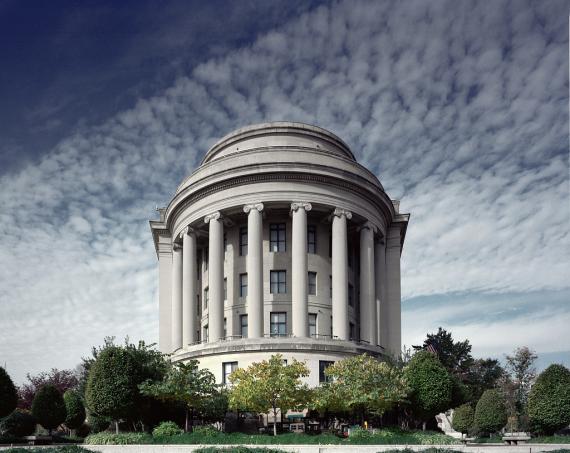
The Federal Trade Commission filed notice on Tuesday that it will appeal its November loss in the landmark antitrust case against Meta Platforms-1.31%, seeking to revive the government's effort to unwind the social media giant's acquisitions of Instagram and WhatsApp.
Meta shares fell 2.6% to $604.12 on an otherwise volatile trading day, leaving the company with a market capitalization of approximately $1.52 trillion. The stock has traded in a range of $479.80 to $796.25 over the past year.
"Meta violated our antitrust laws when it acquired Instagram and WhatsApp," FTC spokesperson Joe Simonson said. "Thankfully for Americans, there is an appeal process."
The November Ruling
Judge James Boasberg of the U.S. District Court for the District of Columbia ruled in November 2025 that Meta had not broken antitrust law, rejecting the FTC's core argument that Facebook illegally maintained a monopoly in personal social networking by buying nascent competitors.
The judge's decision hinged on competition dynamics that didn't exist when the FTC first filed suit in December 2020. Boasberg found that Meta faces substantial competition from TikTok and YouTube, undermining the government's claim that the company dominates social networking.
 Ask Fintool AI Agent
A Decade-Long Saga
The case traces back to acquisitions Meta made over a decade ago: Instagram for $1 billion in 2012 and WhatsApp for $19 billion in 2014. The FTC did not seek to block either deal at the time but later argued the purchases were part of a "buy-or-bury" strategy to eliminate emerging threats.
Key Timeline:
- 2012: Meta acquires Instagram for $1 billion
- 2014: Meta acquires WhatsApp for $19 billion
- December 2020: FTC files antitrust complaint seeking divestiture
- June 2021: Court dismisses initial complaint with leave to amend
- August 2021: FTC files amended complaint
- January 2022: Court denies Meta's motion to dismiss
- April-May 2025: Six-week bench trial with testimony from Mark Zuckerberg and Instagram founder Kevin Systrom
- November 2025: Judge rules in Meta's favor
- January 2026: FTC files notice of appeal
The six-week trial in spring 2025 featured testimony from Zuckerberg, who defended the acquisitions as legitimate competitive moves, and Systrom, who provided insight into Instagram's sale.
Meta's Financial Fortress
Despite years of regulatory uncertainty, Meta has continued to generate massive profits. The company reported $51.2 billion in revenue for Q3 2025, with EBITDA margins near 50%.
| Metric | Q4 2024 | Q1 2025 | Q2 2025 | Q3 2025 |
|---|---|---|---|---|
| Revenue ($B) | $48.4* | $42.3* | $47.5* | $51.2 |
| EBITDA Margin (%) | 54.5%* | 50.7%* | 52.2%* | 49.8%* |
*Values retrieved from S&P Global
The antitrust case represented an existential threat—a court-ordered breakup could have stripped Meta of Instagram's 2+ billion users and WhatsApp's dominant messaging position. With the trial loss, the FTC's leverage has diminished considerably, though the appeal keeps the threat alive.
Ask Fintool AI AgentBig Tech Antitrust Scorecard
The Meta case is part of a broader government campaign to rein in Big Tech that has produced mixed results:
| Company | Case | Status | Outcome |
|---|---|---|---|
| Google-2.53% | Search Monopoly | Complete | Government Won (Aug 2024) |
| Google-2.53% | Ad Tech Monopoly | Complete | Government Won (Apr 2025) |
| Meta-1.31% | Instagram/WhatsApp | Appeal Pending | Company Won (Nov 2025), FTC appealing |
| Amazon-5.55% | E-commerce | Pending | Trial Oct 2026 |
| Apple+0.80% | Smartphone | Pending | Lawsuit filed Mar 2024 |
The government's victories against Google—which found the company monopolized both search distribution and advertising technology—provide hope for FTC lawyers. But those cases involved different markets and competitive dynamics than the social networking claims against Meta.
Trump Administration Continues the Fight
Despite the change in administration, FTC Bureau of Competition Director Daniel Guarnera signaled the agency remains committed to the case. "The Trump-Vance FTC will continue fighting its historic case against Meta to ensure that competition can thrive across the country," Guarnera said in a statement.
The appeal will be heard by the U.S. Court of Appeals for the District of Columbia Circuit, the same court that handles many regulatory disputes. The FTC will lay out its legal arguments in coming months.
Meta responded to the appeal with measured optimism. "We look forward to continuing to partner with the Administration and to invest in America," a company spokesperson said.
Ask Fintool AI AgentWhat to Watch
The appeals process could take 12-18 months, during which Meta's legal victory remains intact. Key factors to monitor:
- DC Circuit composition: The appellate court's ideological makeup could influence outcomes
- Google remedies: How courts handle Google's monopoly findings may inform approaches to other Big Tech cases
- Amazon trial: The October 2026 trial could produce precedents affecting the Meta appeal
- TikTok's status: Any regulatory action against TikTok could reshape the competitive landscape the judge relied upon
For investors, the appeal maintains headline risk but represents a diminished threat after Meta's trial victory. The burden of proof shifts to the FTC to demonstrate Judge Boasberg erred in his legal analysis—a high bar given his detailed consideration of competitive dynamics.
Related Companies: Meta Platforms-1.31% | Alphabet-2.53% | Amazon-5.55% | Apple+0.80%